
Quality Education
Strengthening Education Dialogue Through MUBAS’ First Education Conference
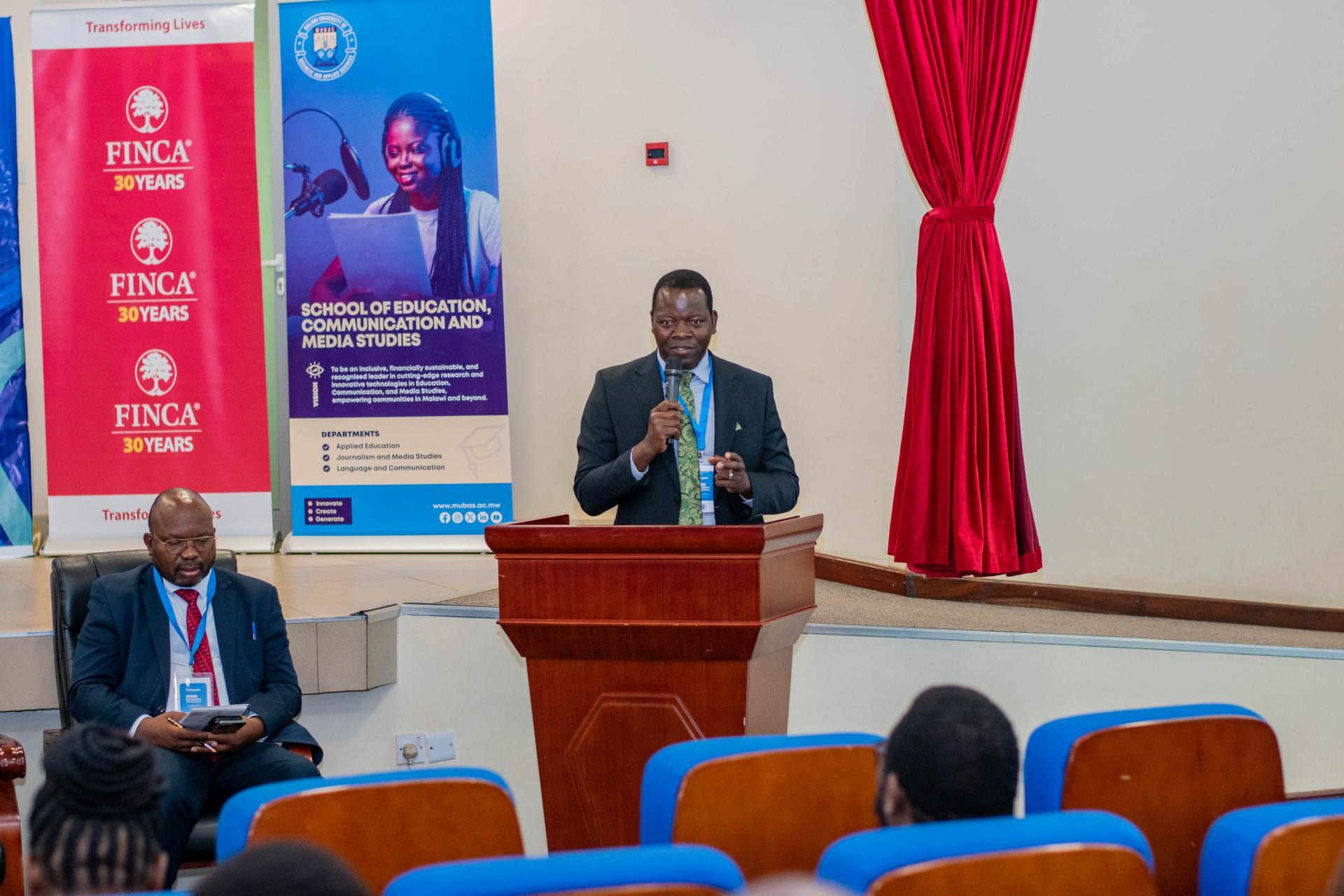 Professor Joshua Valeta, Director of Open, Distance and e-Learning in the Ministry of Education, delivering his speech.
Through the School of Education, Communication and Media Studies (SECOMS), has reinforced its role in advancing educational research and shaping national development conversations by successfully hosting its first-ever Education Conference.
Held on 25 to 26 September 2025 at the MUBAS Main Campus in Blantyre, the conference brought together key education stakeholders to explore how education can address development challenges, promote sustainable development, and contribute to economic growth.
The conference provided a platform for research dissemination, knowledge sharing, and dialogue on Malawi’s education sector, with discussions focusing on innovation, human capital development, wealth creation, and evidence-based educational transformation.
Professor Joshua Valeta emphasized the importance of collaboration among researchers, practitioners, and policymakers in addressing education challenges, noting that education drives innovation, productivity, and improved livelihoods.
MUBAS’s inaugural Education Conference established a platform for research dissemination, collaboration, and policy engagement, strengthening the university’s contribution to educational development and policy in Malawi.
Inspiring the next generation
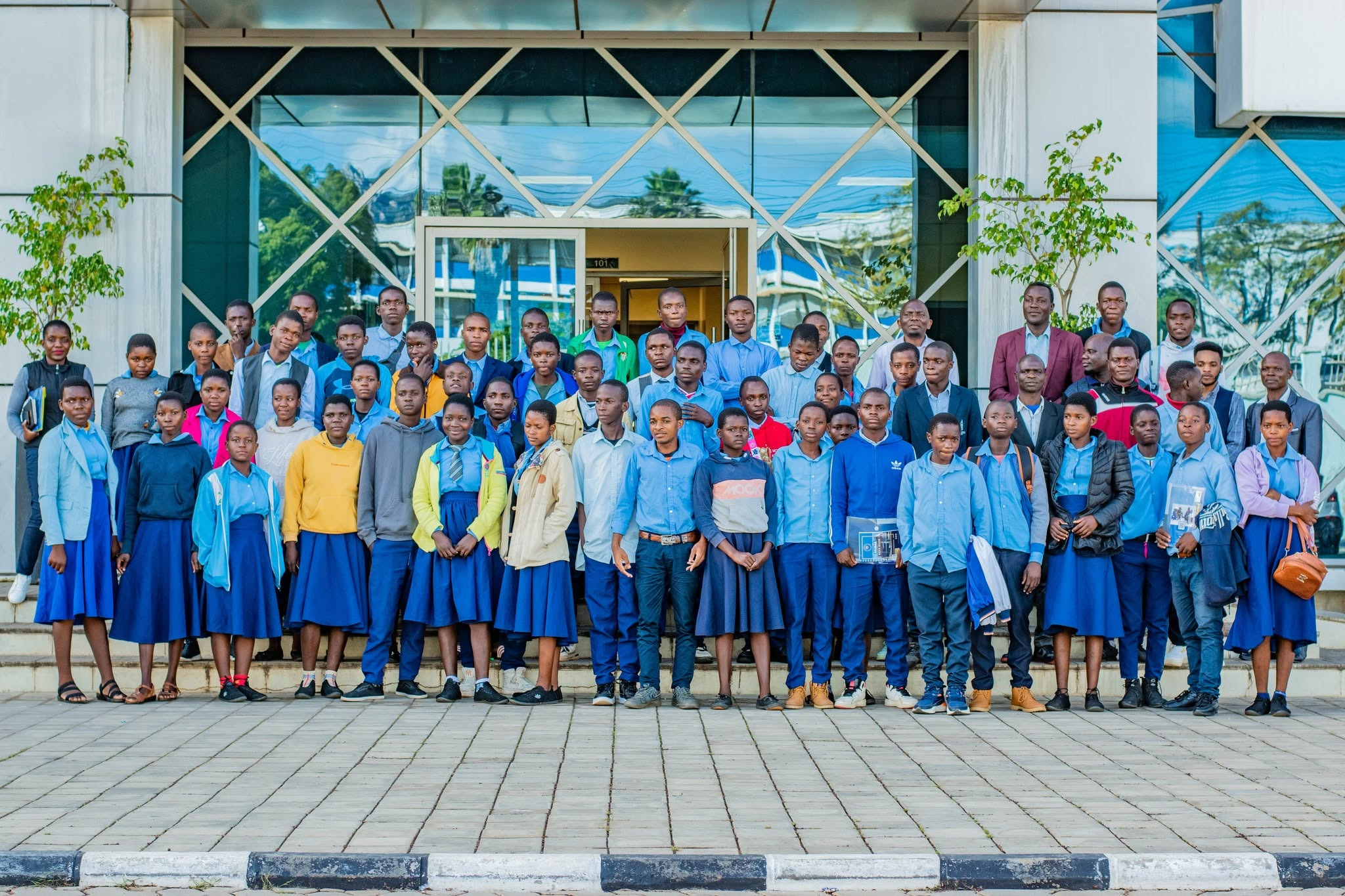
Students from Katole Community Day Secondary School in Thyolo visited MUBAS
The education outreach programmes demonstrate a strong commitment to Quality Education (SDG 4) by providing learners with meaningful exposure to higher education, academic programmes, and future career pathways. In 2025, Malawi University of Business and Applied Sciences (MUBAS) hosted students from Katole Community Day Secondary School in Thyolo, offering them an opportunity to explore campus life and gain insight into available study programmes. This engagement reflects the university’s broader education outreach efforts aimed at inspiring the next generation.
The visit helped bridge the gap between secondary and tertiary education by equipping learners with information on academic requirements, skills development, and professional opportunities. It also promoted equal access to learning opportunities by ensuring that students from different backgrounds can envision themselves in higher education settings.
Through interaction with lecturers, students, and university facilities, learners were introduced to supportive learning environments that encourage academic ambition and informed decision-making. The experience strengthened their awareness of STEM and other career pathways while fostering motivation to pursue further studies.
The initiative advances SDG 4 in promoting inclusive education, mentorship, career guidance, and lifelong learning, while inspiring learners to pursue higher education and contribute meaningfully to society.
Fostering Innovation and Intellectual Property Awareness: MUBAS Engages Young Learners in Blantyre
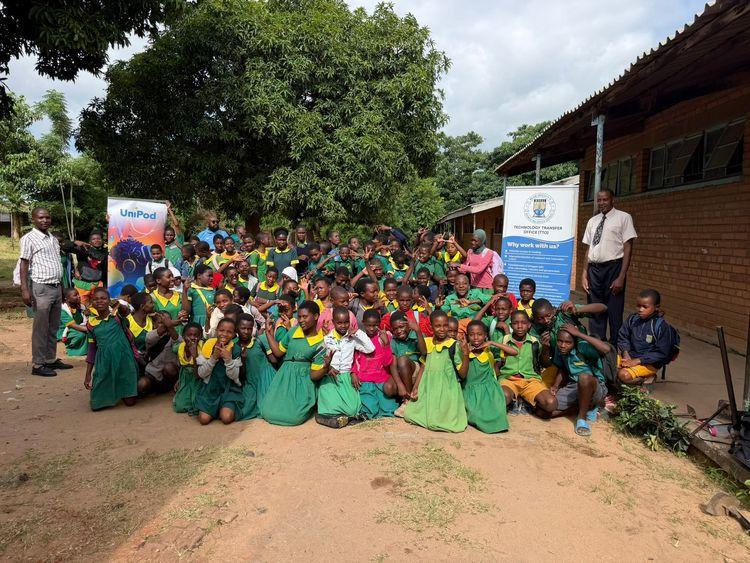
Learners, Teachers, and UniPod staff pose at Chitawira Primary School following an innovation and intellectual property awareness session.
The TTO, through UniPod, conducted an outreach visit to Chitawira Primary School in Blantyre to introduce pupils to innovation, creativity, and the importance of protecting intellectual property.
The interactive session introduced learners to creative thinking, innovation, and problem-solving, encouraging them to identify community challenges and explore potential solutions through UniPod’s innovation ecosystem.
Learners were introduced to intellectual property rights and the importance of protecting their ideas, inventions, and creative works to promote ownership, recognition, and future opportunities.
Facilitators highlighted UniPod as an innovation hub offering technology, mentorship, and resources to help young innovators turn ideas into practical solutions.
The outreach demonstrates MUBAS’s commitment to fostering innovation among young people, promoting knowledge transfer, and contributing to national development through creativity and skills development.
Evidence Documents & Supporting Data
Verified institutional documentation, datasets, and certified audit artifacts for SDG evidence.