
Zero Hunger
1.Affordable Food Access and Nutrition at the MUBAS Junior Staff Common Room
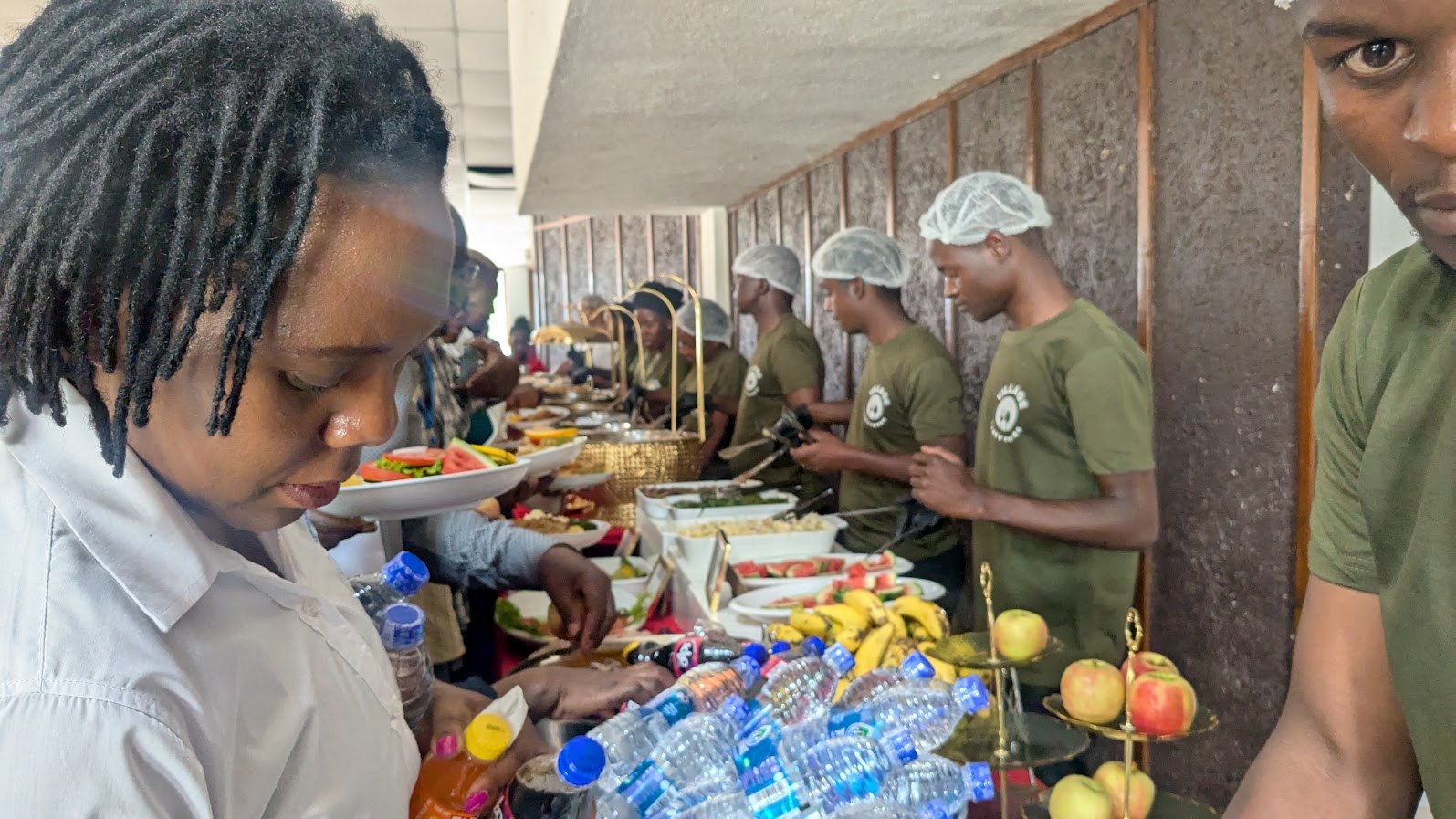
Students receiving a nutritious meal at the MUBAS Junior Staff Common Room.
The Junior Staff Common Room at MUBAS contributes to SDG 2 by improving access to affordable and nutritious food for staff and students. Located in the Administration Block, the facility provides a welcoming space where the university community can access meals, refreshments, and snacks throughout the day.
Its restaurant offers a variety of affordable food options, including local foods such as mandasi and samosas, as well as full meals served with nsima, rice, or chips. By providing convenient access to food, the facility supports efforts to end hunger and ensure food access within the university community while contributing to wellbeing and productivity.
The facility also provides opportunities to promote healthier and diverse food choices, supporting efforts to stop all forms of malnutrition. Where locally sourced foods are included, the Common Room can also support small-scale farmers and strengthen local food systems.
Through accessible food services and a supportive campus environment, MUBAS demonstrates its commitment to food security, nutrition, and sustainable food systems.
2.MUBAS Supports Children in Need Through Community Outreach 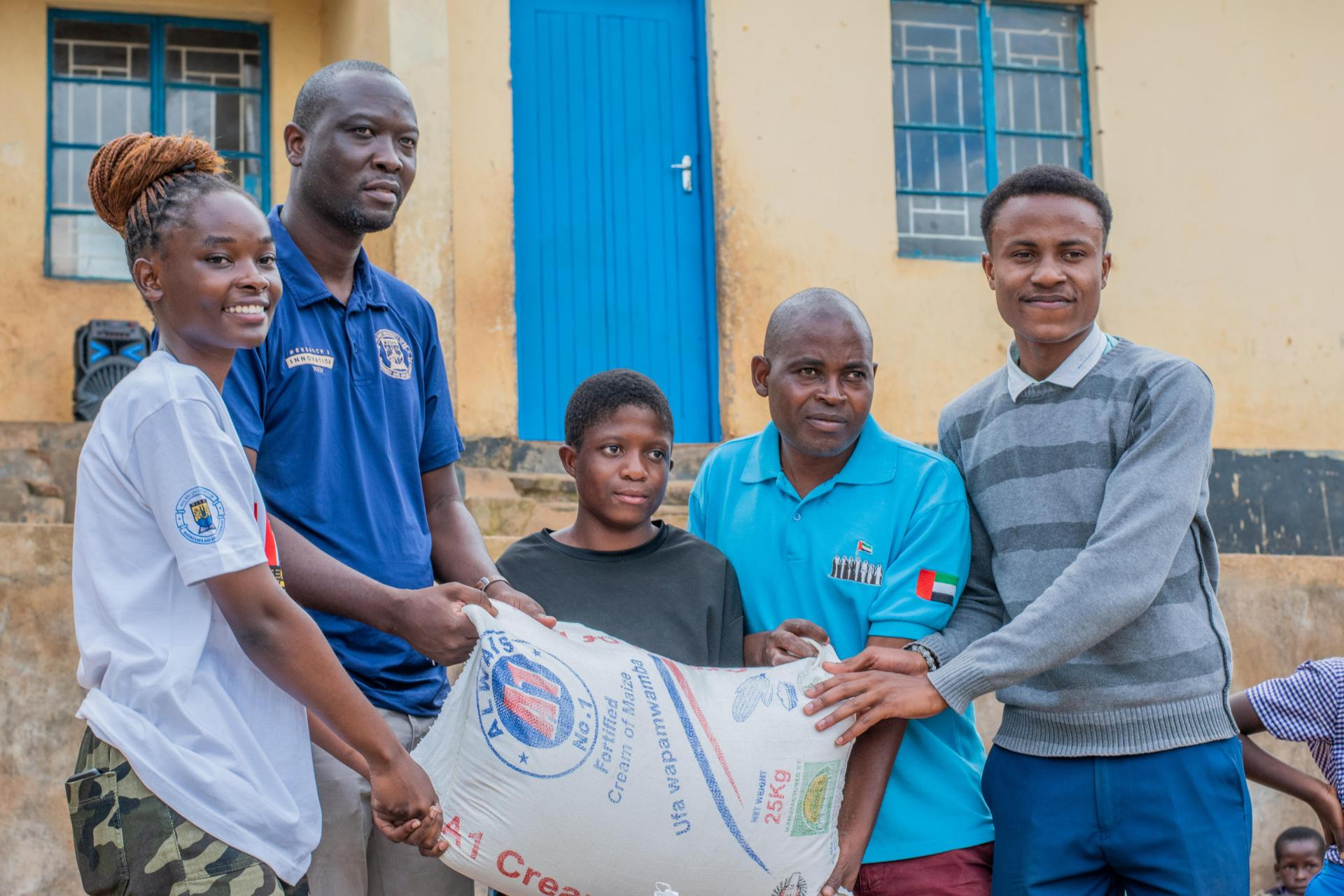
Associate Professor (2nd left) presents the donation to BAHASI officials
On 5 April 2025, the Civil Engineering Department at MUBAS demonstrated its commitment to community development by donating food and essential items to the Bangwe HIV/AIDS Self-Help Initiative (BAHASI). The initiative supported more than 150 children receiving education and care through the organisation.
The donation included food supplies, hygiene products, learning materials, and sports equipment to support the children’s welfare and development. By providing essential food items, MUBAS contributed to efforts to end hunger and improve food access among vulnerable children.
Staff and students also engaged the children through motivational activities and career guidance, encouraging them to value education and pursue future opportunities. The outreach also gave MUBAS students an opportunity to understand community challenges and strengthen their sense of social responsibility.
The initiative demonstrates how university-community partnerships can contribute to food security, wellbeing, and inclusive development. Through continued community engagement, MUBAS extends its impact beyond the classroom by supporting vulnerable communities and promoting meaningful social change.
3. MUBAS Advances Food Security Through Agricultural Machinery Innovation
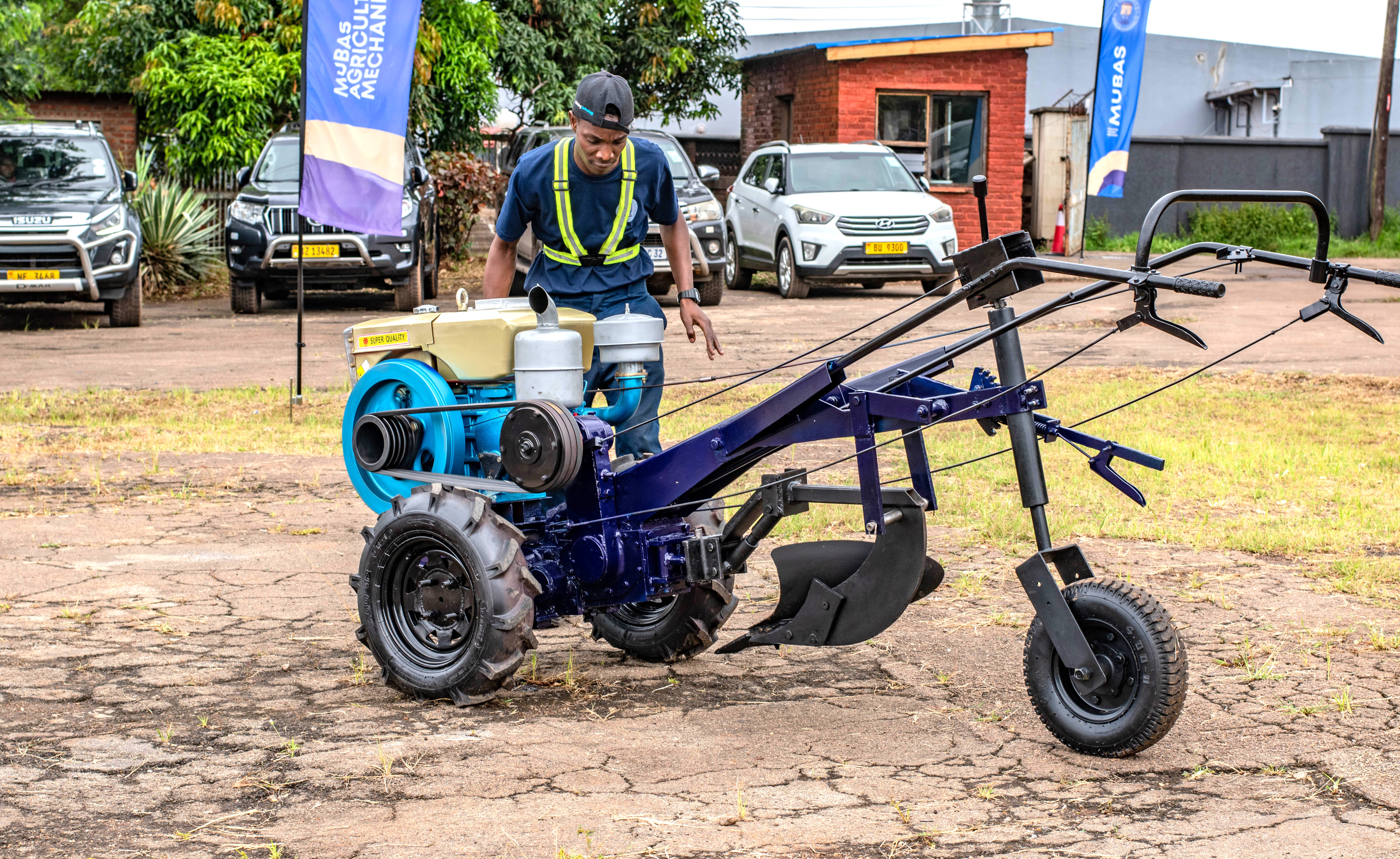
Agriculture Machinery Production Project - Farming tractor
MUBAS is improving food security and supporting sustainable agriculture through the Agriculture Machinery Production Project (AMPP), which develops affordable and locally made machinery for smallholder farmers.
The project has designed, fabricated, and tested tractors, planters, harvesters, and threshers to improve efficiency from land preparation to harvesting and reduce post-harvest losses. By developing machinery suited to Malawi’s farming conditions, AMPP supports small-scale farmers and reduces reliance on imported equipment.
The project also provides practical training for students, interns, engineers, and technicians in machinery design, fabrication, and testing. Collaboration with Chitedze Agricultural Research Station, NEEF, and farming communities helps ensure that the technologies respond to farmers’ needs.
Through these efforts, AMPP contributes to ending hunger, improving food access, supporting small-scale farmers, and building sustainable and resilient agricultural systems in Malawi.
Evidence Documents & Supporting Data
Verified institutional documentation, datasets, and certified audit artifacts for SDG evidence.
References & Evidence Sources
- [1] Agricultural Mechanization
- [2] Food Outreach
- [3] Campus Food