
Life Below Water
Protecting Our Campus and Water Bodies
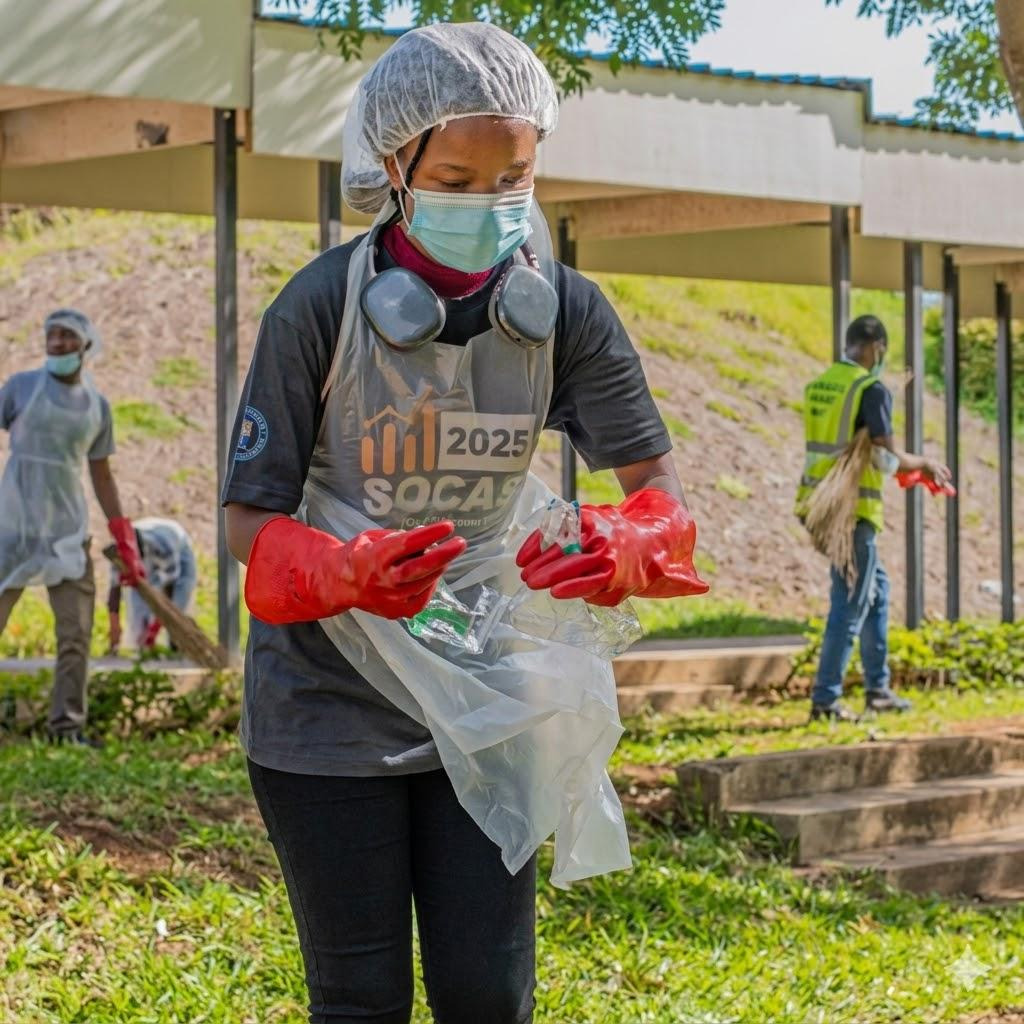 MUBAS students protect life below water through campus clean-up.
At MUBAS, maintaining a clean campus is a continuous practice involving both students and staff. Regular clean-up activities include litter collection, proper waste disposal, and keeping shared spaces safe and hygienic while helping protect life below water.
These efforts help create a healthy learning environment while reducing pollution that could be washed by rain into drains, streams, and rivers that lead to oceans. Proper waste management prevents contamination of water systems and protects aquatic life. Although MUBAS is not located near the ocean, actions taken on land directly affect connected water bodies.
By making cleanliness a routine responsibility, MUBAS promotes environmental stewardship, responsibility. The Clean MUBAS initiative demonstrates that simple everyday actions can help protect water resources and support healthier ecosystems for present and future generations.
MUBAS Supports Water Protection Through Blantyre Water Board Treatment Efforts
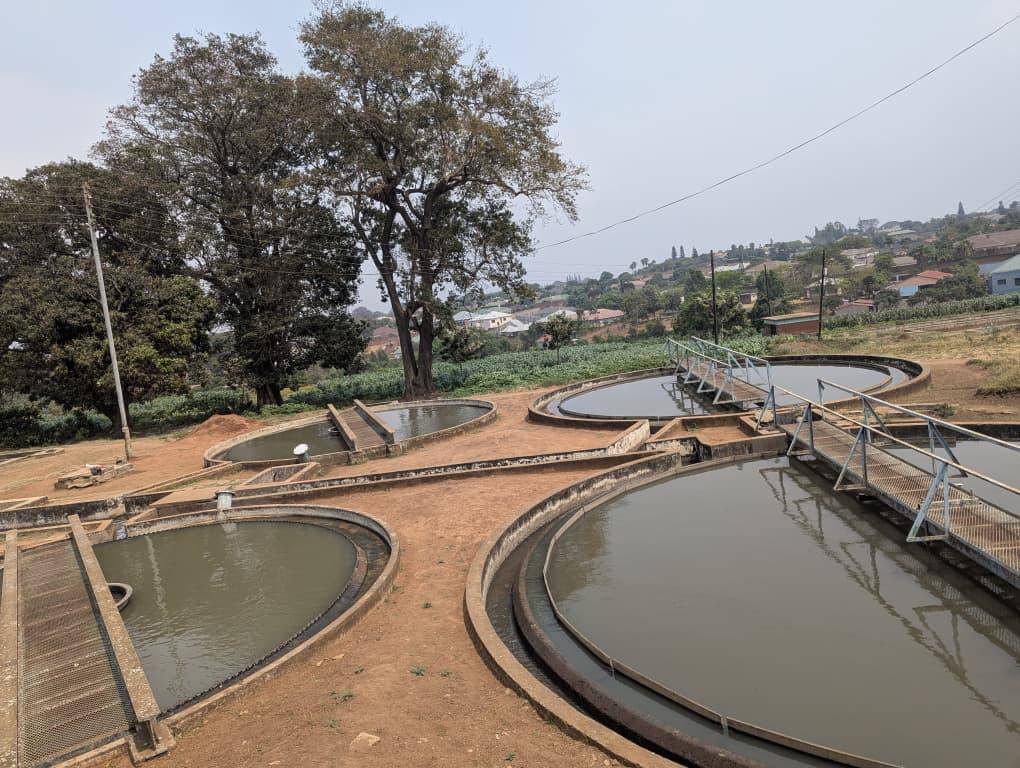 Oxidation pond for Blantyre Water Board
MUBAS is contributing to sustainable urban wastewater management through its connection to the Blantyre Water Board’s wastewater collection and treatment system. This collaboration supports improved sanitation, environmental protection, and public health in Blantyre City.
Located in the city’s central business area, MUBAS is connected to the wastewater network, which collects sewage from residential, industrial, and institutional areas, including the university. Wastewater is treated using technologies such as trickling filters and oxidation ponds to remove contaminants before discharge into surrounding water bodies.
Through this system, MUBAS benefits from a cleaner and healthier campus while supporting responsible water and resource management. The treatment process also generates sludge that is converted into organic fertilizer, supporting agriculture in surrounding communities and promoting resource recovery and circular economy practices.
MUBAS’s participation demonstrates its commitment to sustainable urban water safety development, environmental protection, and responsible wastewater management.
Drivers of Antimicrobial Resistance and Protection of Freshwater Ecosystems in Malawi and Uganda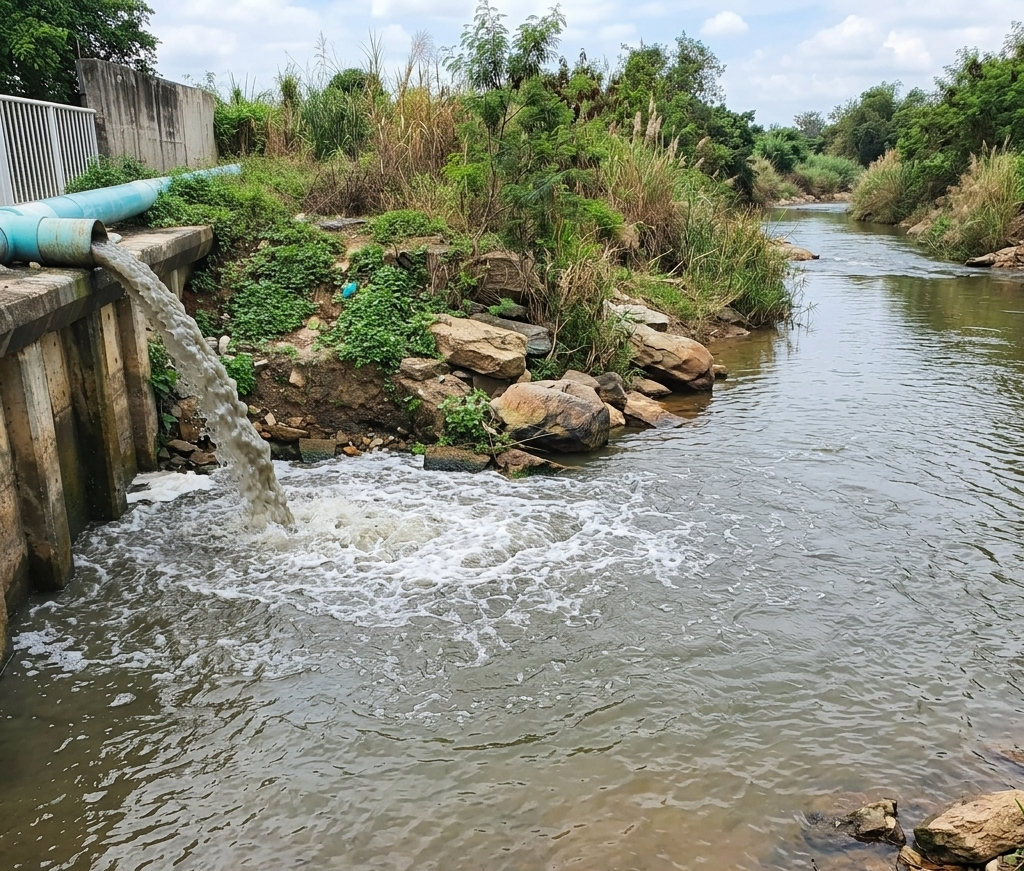
Wastewater discharge into the Mudi River in Blantyre, posing risks to aquatic ecosystems.
Drivers of Antimicrobial Resistance in Uganda and Malawi (DRUM) project, MUBAS, under its Centre for Water, Sanitation, Health and Appropriate Technology Development (WASHTED), collaborated with local and international partners to investigate how pollution contributes to antimicrobial resistance in aquatic ecosystems. The project examined how antibiotics, chemicals, and other pollutants enter and persist in urban rivers. Although the project ended in 2022, its findings continue to inform research and policy. A key study published in 2025 provided evidence on pollution and antimicrobial resistance in urban freshwater systems.
Freshwater ecosystems support biodiversity, human wellbeing, and sustainable development but face growing pollution from untreated wastewater, pharmaceuticals, chemicals, and antimicrobial agents, threatening water quality and aquatic life.
The project demonstrated that polluted rivers can serve as reservoirs for antimicrobial resistance, threatening aquatic biodiversity and human health. On the other hand, the project strengthened collaboration among researchers, environmental specialists, and policymakers, promoting awareness, improved wastewater management, and sustainable water protection strategies to save life below water.
Evidence Documents & Supporting Data
Verified institutional documentation, datasets, and certified audit artifacts for SDG evidence.