
Responsible Consumption and Production
Turning Plastic Waste Into Innovation
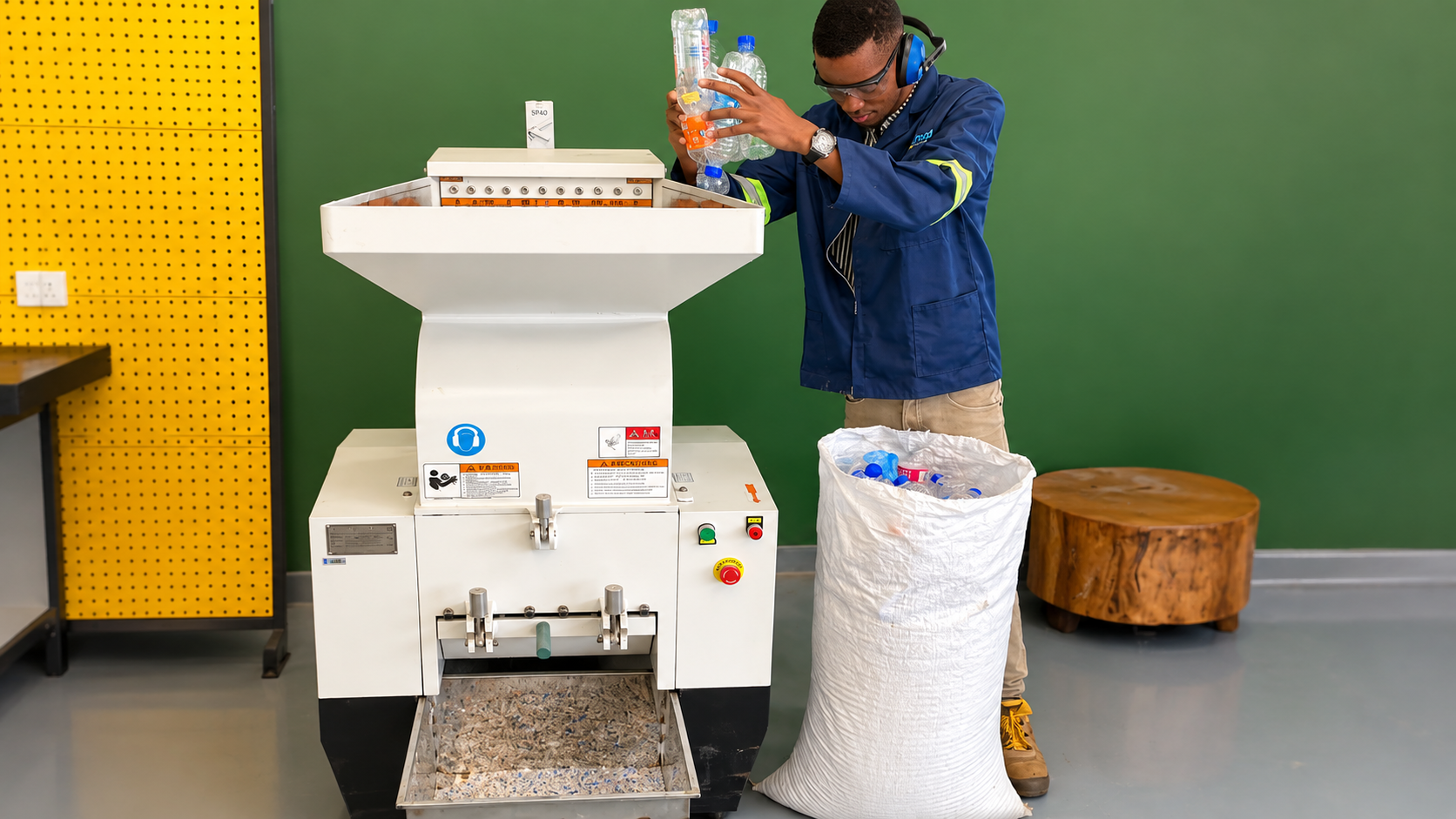 UniPod staff put collected plastic bottles into a recycling machine
The MUBAS Innovation Hub (UniPod) is engaging students in recycling by calling for the collection of used plastic bottles to support the development of innovative products. Students will deposit bottles at designated collection points around the University, where they will be collected and prepared for reuse as raw materials.
The initiative provides a practical way for students to participate in addressing plastic waste while encouraging responsible use of resources. By recovering materials that would otherwise be discarded, the UniPod is creating opportunities to explore new uses for plastic through innovation and product development.
The initiative also supports a culture of recycling within the University by connecting waste collection with practical innovation. Through student participation, the UniPod is encouraging more responsible management of materials, reducing waste and demonstrating how discarded resources can be given new value for use in the University and wider community.
Reducing Glass Waste Through Sustainable Innovation
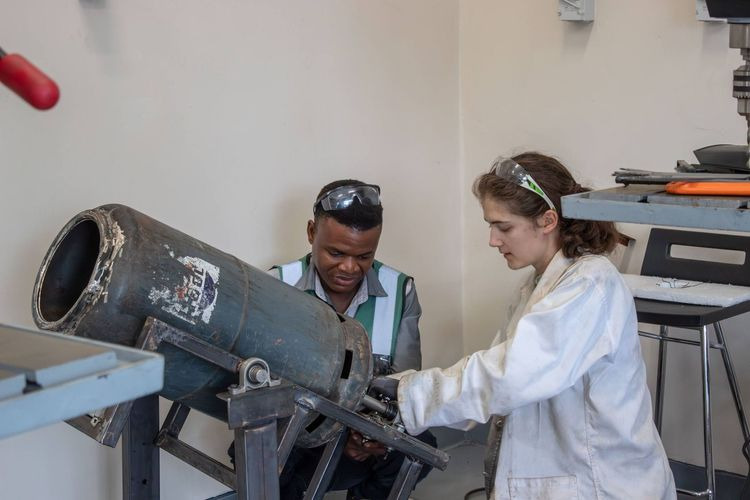
Emma Steinke and a UniPod staff member working on the solar-powered glass tumbler innovation.
The UniPod, under MUBAS, is supporting Emma Steinke in developing a solar-powered glass tumbler designed to address the growing challenge of glass waste in Cape Maclear, Mangochi District. Her research has identified more than 200 tonnes of glass waste in the area, largely associated with tourism-related consumption of imported beverages, placing pressure on existing recycling and reuse systems.
Building on her initial prototype, Emma is refining the tumbler with support from UniPod, which is providing mentorship, technical guidance, and access to prototyping facilities. The integration of solar energy adds a sustainable feature to the innovation, while the reusable glass design offers an alternative approach to reducing waste.
The project responds to a local environmental challenge by promoting reuse and developing a practical solution that can benefit communities and ecosystems. It also demonstrates how research and innovation can be translated into locally relevant products that support more sustainable consumption practices.
Citizen Participation Shapes Responsible Plastic Waste Management
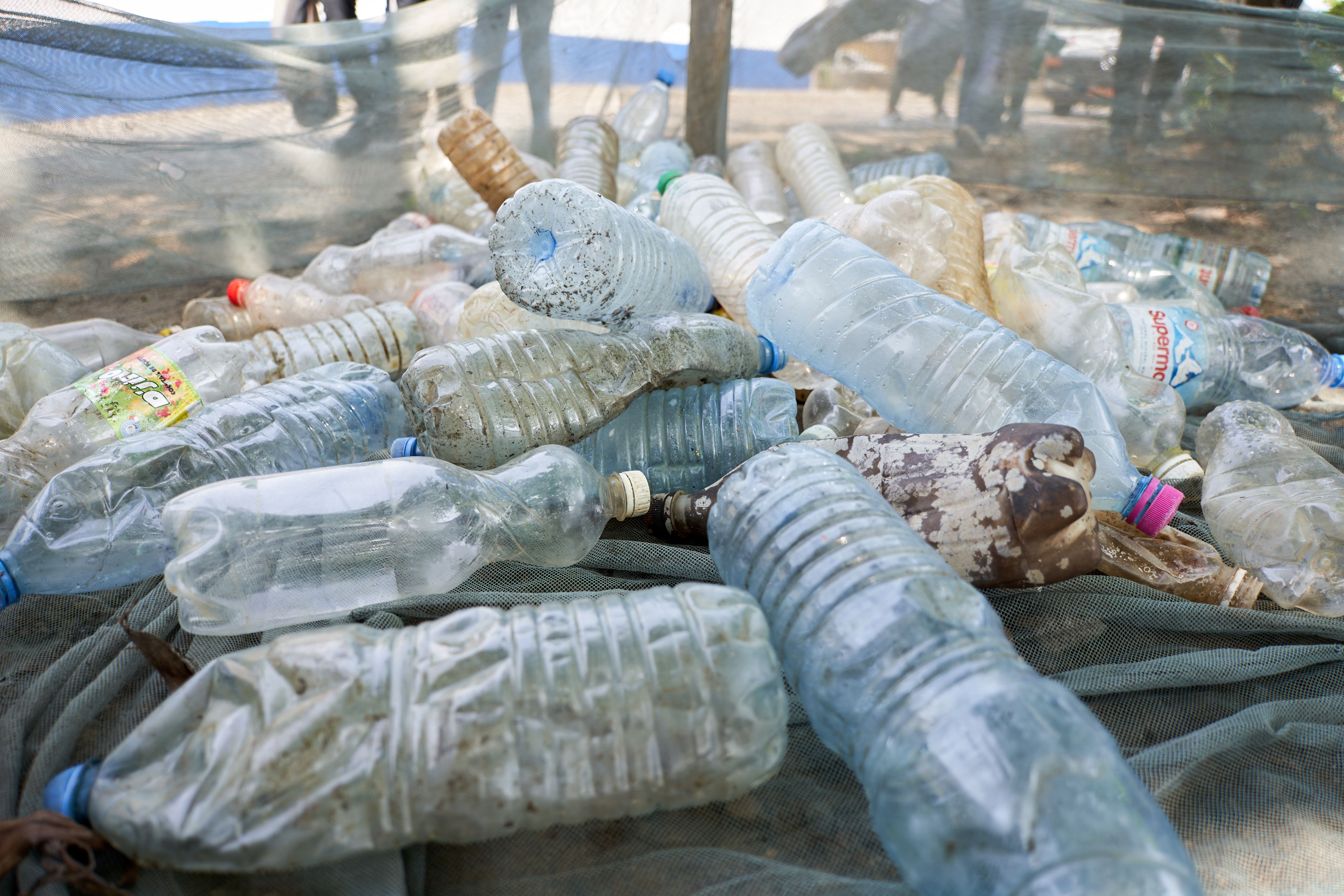 Plastic waste collected ready for recycling
MUBAS, through the Centre for Water, Sanitation, Hygiene and Appropriate Technology Development (WASHTED), is contributing to efforts to address plastic pollution by involving citizens in responsible waste management.
On 28–29 January 2025, WASHTED, in collaboration with the University of Malawi, Malawi Liverpool Wellcome Programme and the University of Stirling, organized a Citizens’ Jury in Blantyre to discuss the environmental and public health impacts of plastic pollution.
The initiative brought together community members who took part in discussions on plastic waste management. Their deliberations resulted in recommendations focused on reducing single-use plastics, increasing the use of reusable alternatives and strengthening coordination among stakeholders.
Through the research, collaboration and public participation, WASHTED is helping strengthen efforts to reduce plastic pollution while encouraging responsible use of resources for a more sustainable environment.
Evidence Documents & Supporting Data
Verified institutional documentation, datasets, and certified audit artifacts for SDG evidence.