
Life on Land
Sustaining Environmental Conservation Through Tree Planting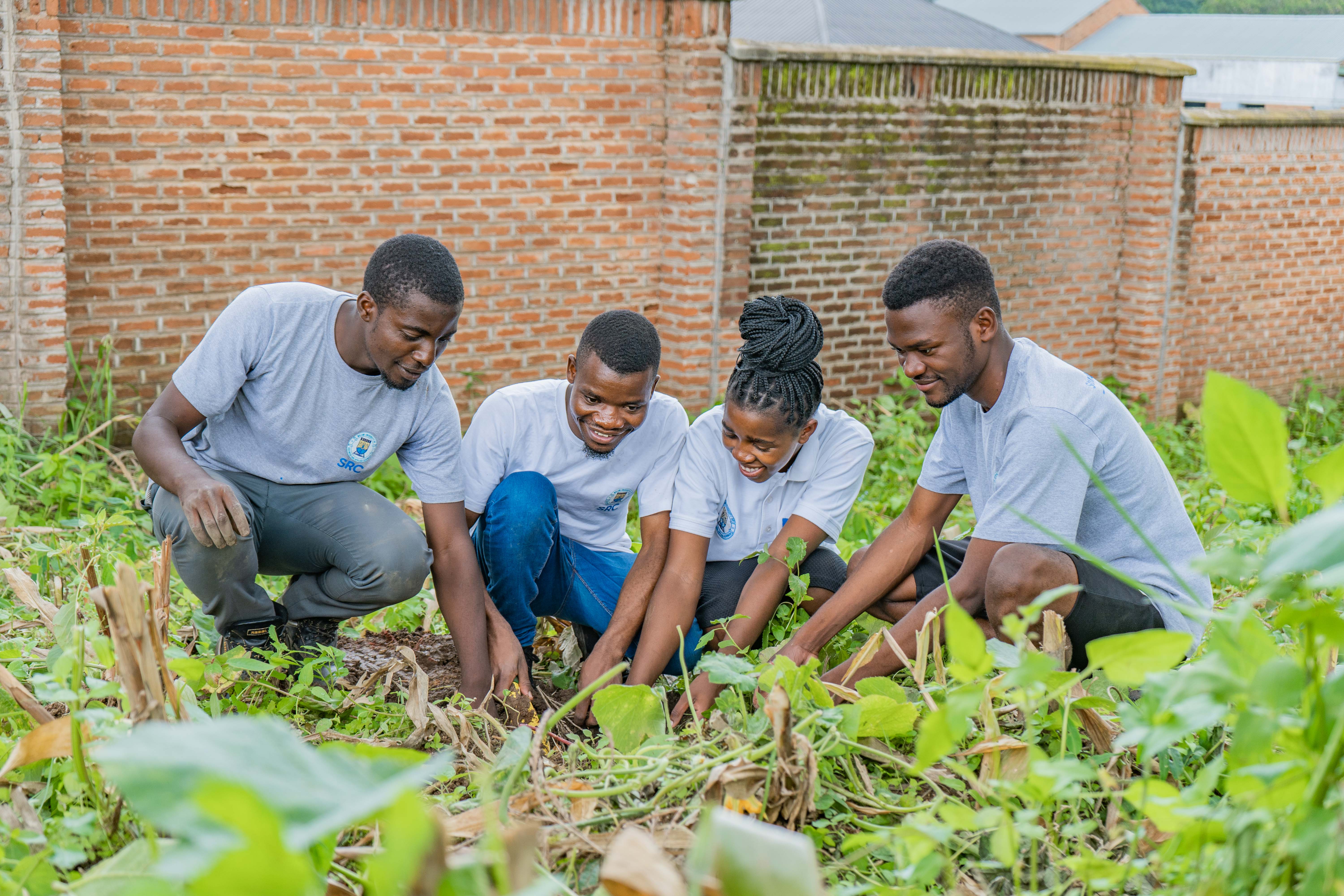
MUBAS students planting a tree
MUBAS strives to advance environmental sustainability through regular tree-planting initiatives across its campuses. In March 2025, staff, students, and Council members joined Council Chairperson Professor George Yobe Kanyama Phiri in a tree-planting exercise that formed part of the University’s broader conservation programme. The initiative seeks to increase tree cover, enhance biodiversity, and promote responsible stewardship of natural resources. Speaking at the event, Professor Kanyama Phiri emphasized that protecting the environment is a shared responsibility, urging the community to care for the planted trees. Support also came from Professor Sosten Chiotha, Director of LEAD, who highlighted the role of higher education institutions in advancing conservation and integrating nature-based solutions into development. Through such activities, MUBAS fosters environmental awareness while contributing to greener campuses, healthier ecosystems, and sustainable futures.
Promoting Sustainable Food Production Through Campus Farming
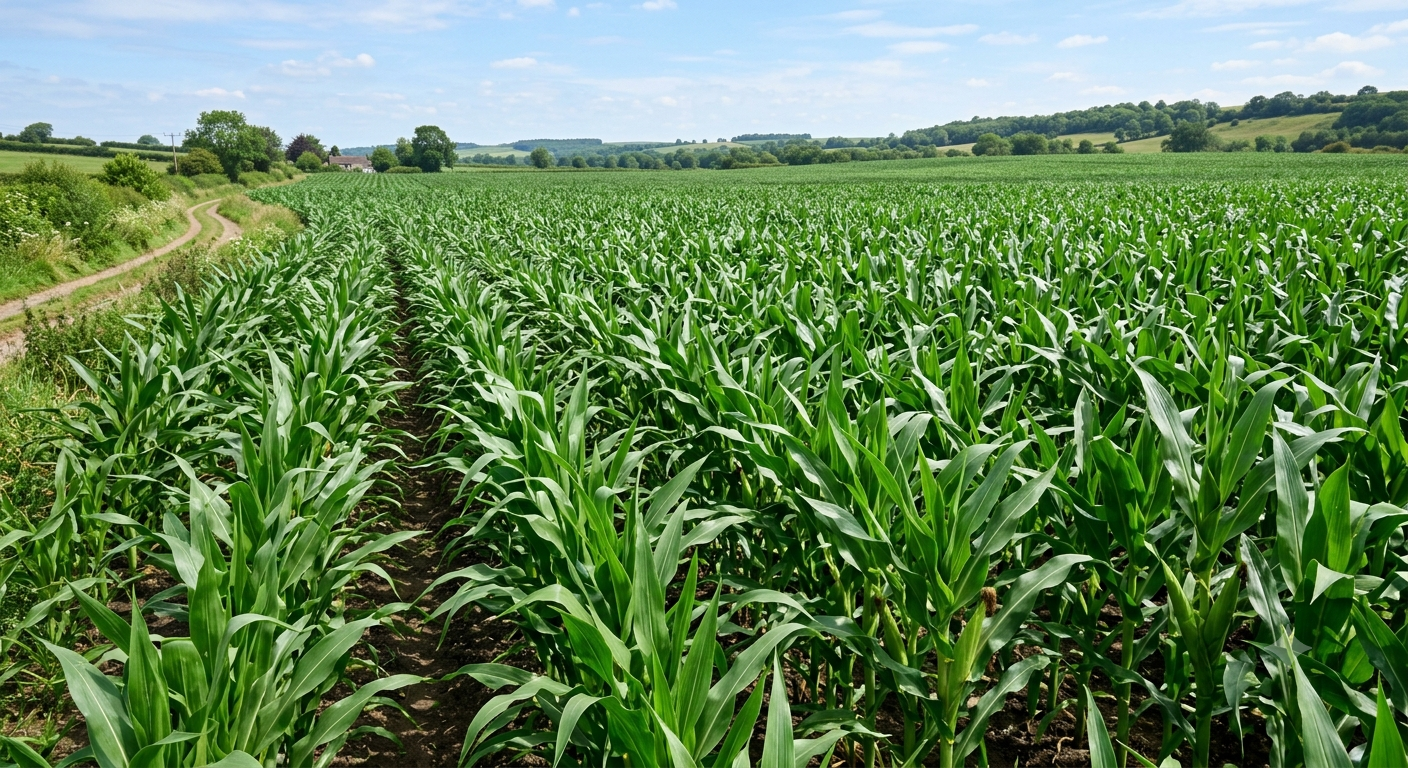 MUBAS maize farm at Nanjiri, promoting sustainable food production and soil conservation.
The Malawi University of Business and Applied Sciences (MUBAS) promotes environmental sustainability through responsible food production and agricultural resource management. In support of Sustainable Development Goal 15 (Life on Land), the university recognises the importance of farming practices that protect soil, conserve ecosystems, and promote sustainable land use.
At its Nanjiri farm, MUBAS cultivates maize as part of its agricultural activities. The farm provides an opportunity to demonstrate responsible land management while producing food and maintaining the long-term productivity of agricultural land.
Through sustainable farming practices, the Nanjiri farm contributes to soil conservation, reduces pressure on natural ecosystems, and promotes responsible use of land resources. It also provides a practical environment for demonstrating sustainable agriculture to the university community.
The initiative complements MUBAS’s wider environmental efforts, including tree planting and ecosystem conservation activities. Together, these initiatives demonstrate the university’s commitment to conserving terrestrial ecosystems, protecting natural resources, and promoting sustainable practices that benefit both people and the environment.
MUBAS Conserving Biodiversity Through Sustainable Ecosystem Management
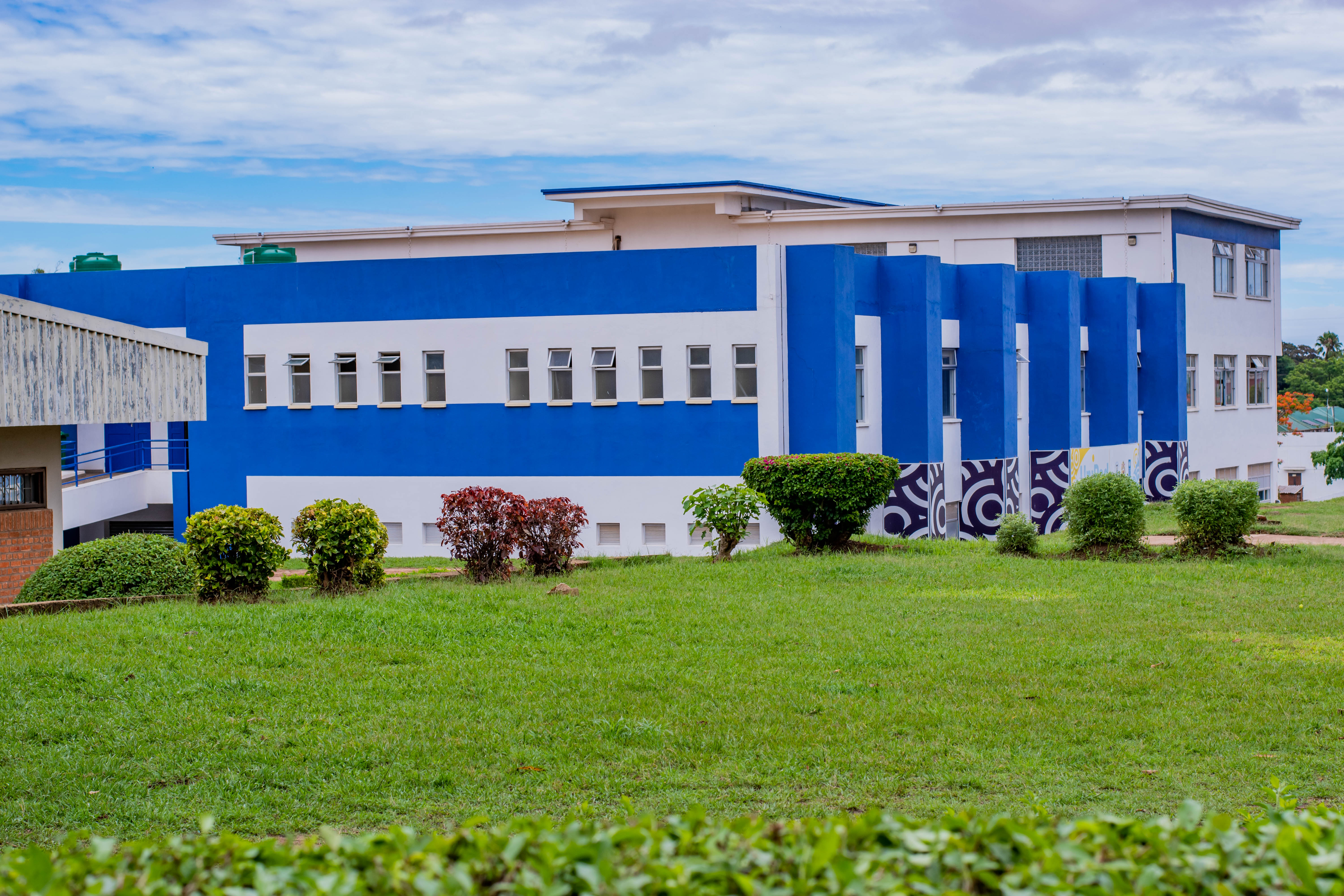
MUBAS campus lawn reflects its commitment to conserving biodiversity and managing ecosystems sustainably
MUBAS continues in its commitment to environmental stewardship by conserving biodiversity through sustainable ecosystem management. Recognizing that healthy terrestrial ecosystems are vital for climate resilience and human well-being; the University integrates conservation into its campus landscaping and land management practices. Green spaces are maintained to support diverse plant and animal life, while tree-planting initiatives restore degraded areas, enhance carbon sequestration, and strengthen resilience against climate change. Measures such as soil and water conservation, erosion control, and the protection of indigenous vegetation ensure ecological balance and combat land degradation. Beyond beautification, MUBAS creates living ecosystems that safeguard habitats, regenerate native species, and foster environmental awareness among students, staff, and surrounding communities. These efforts demonstrate MUBAS’ role in protecting threatened ecosystems and advancing sustainable development.
Evidence Documents & Supporting Data
Verified institutional documentation, datasets, and certified audit artifacts for SDG evidence.