
MUBAS Collaborates with NGOs to Advance the Sustainable Development Goals
Collaborative Research Programmes
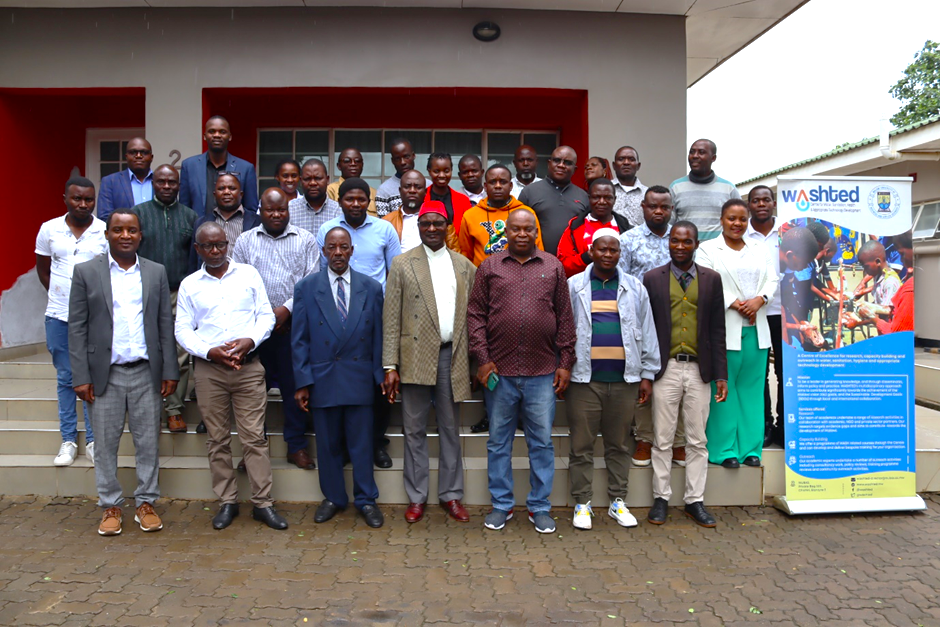
Through the Centre for Water, Sanitation, Hygiene and Appropriate Technology Development (WASHTED), MUBAS collaborated with World Vision and Water for People under the WASH for Everyone (W4E) research project, working alongside the London School of Hygiene and Tropical Medicine. On 24 January 2025, the research team disseminated findings to Chiradzulu District Council stakeholders, including district officials, traditional leaders and Area Development Committees. The discussions examined the effectiveness of Community-Led Total Sanitation, the effects of extreme weather on sanitation and hygiene, and approaches for improving sanitation promotion. By sharing research findings with implementing partners and local decision-makers, MUBAS supported evidence-informed planning and strengthened collaboration towards improved access to sanitation and hygiene services (SDGs 3, 6 and 17).
MUBAS also advanced collaborative environmental research through the Sustainable Plastic Attitudes to Benefit Communities and their Environments (SPACES) project, implemented through WASHTED in partnership with research institutions and the Malawi Liverpool Wellcome Programme. The project investigated the sources and drivers of plastic pollution and its implications for environmental quality and public health in densely populated communities. On 28–29 January 2025, WASHTED, in collaboration with the University of Malawi, the Malawi Liverpool Wellcome Programme and the University of Stirling, convened a Citizens’ Jury in Blantyre. Eighteen residents from Ndirande and neighbouring areas considered evidence presented by 20 expert witnesses and deliberated on responses to plastic pollution. This initiative demonstrated how collaborative research and community participation can inform environmental decision-making and support more sustainable waste management practices (SDGs 3, 11, 12 and 17).
Student Engagement and Community Outreach
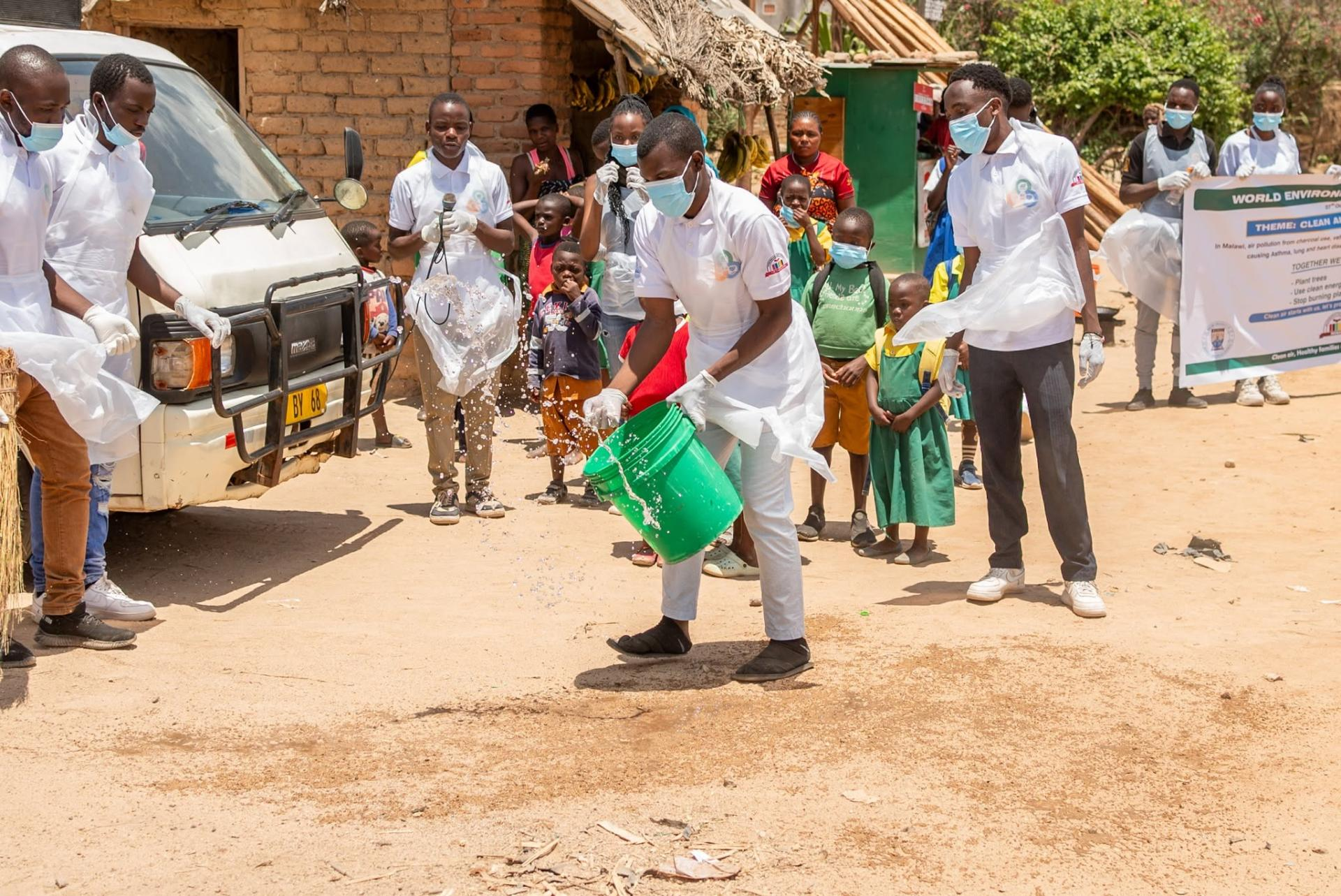
MUBAS’ Environmental Health students take part in community cleaning activities in Makata, Ndirande.
Members of the Malawi Environmental Health Society at MUBAS, in collaboration with the Malawi Environmental Health Association (MEHA), visited Makata in Ndirande, Blantyre, where they conducted community sensitization activities aimed at raising awareness about air pollution and its impact on human health.
The initiative brought together Environmental Health students who engaged community members through discussions, demonstrations, and interactive learning sessions. The students educated residents on the causes and effects of both indoor and outdoor air pollution and highlighted practical measures that households can adopt to reduce exposure to harmful pollutants.
One of the key messages focused on the health risks associated with the use of solid fuels such as firewood for cooking. Community members were encouraged to improve ventilation in their homes and adopt practices that reduce smoke exposure, particularly for women and children who are most affected by indoor air pollution.
Treasurer of the Malawi Environmental Health Society, Jane Kaonga, emphasized that clean air is fundamental to a healthy population. She noted that increasing public awareness about air pollution is essential in preventing respiratory diseases and improving overall well-being.
The outreach also highlighted the connection between environmental protection and public health. According to MEHA Publicity Secretary, Kondwani Luwe, the commemoration serves as a platform to amplify the importance of safeguarding the environment as a means of promoting healthier communities.
The initiative directly contributes to Sustainable Development Goal (SDG) 3: Good Health and Well-being, which seeks to ensure healthy lives and promote well-being for all at all ages. By educating communities on air pollution prevention, the students are helping to reduce the risk of respiratory illnesses such as asthma, chronic respiratory infections, and lung cancer.
Beyond sharing knowledge, the activity empowered community members to take responsibility for protecting their health and environment through simple but impactful actions. The engagement demonstrated how university students can play a vital role in addressing public health challenges while contributing to sustainable development.
For the participating students, the experience was both educational and inspiring. It reinforced the understanding that achieving healthier communities requires collective action, continuous awareness, and a commitment to environmental stewardship. Through initiatives such as this, MUBAS students are helping to create a future where clean air supports healthier lives and stronger communities.
Development of Educational Resources
a. MUBAS and UNDP Collaboration to Expand Access to Digital Educational Resources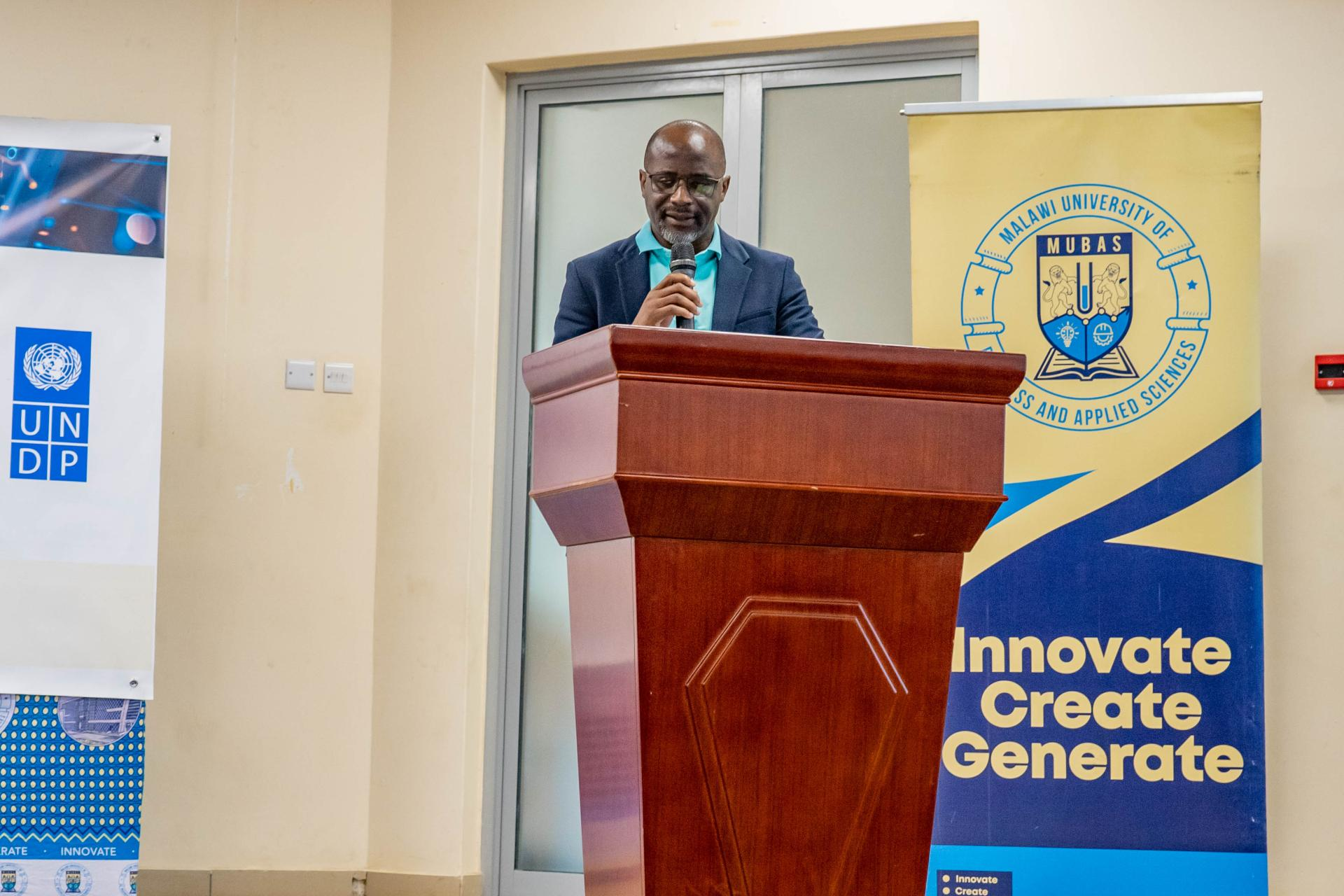
Dr. Martin Msendema delivering his speech during Nzeru Hub Launch
The Malawi University of Business and Applied Sciences (MUBAS), in collaboration with the United Nations Development Programme (UNDP), supports access to digital educational resources through Nzeru Hub. Funded by UNDP, the platform provides learning materials, digital information and basic digital literacy opportunities to students and the wider public, helping address challenges associated with limited teaching and learning resources in Malawi.
Nzeru Hub enables students to access additional learning materials beyond those available in their institutional libraries and prescribed syllabi, broadening their knowledge across different fields of study. The platform also facilitates access to information in areas such as agriculture, mining, finance and health, supporting learning beyond formal academic programmes.
In addition to providing educational resources, the initiative promotes digital skills development in local communities. Selected students are trained as digital advocates to share digital knowledge and skills with community members, with particular attention to women and girls to improve their access to information and digital services.
Through this collaboration, MUBAS and UNDP contribute to the Sustainable Development Goals by supporting the development and provision of accessible digital educational resources. The initiative advances SDG 4: Quality Education by expanding access to learning materials and educational opportunities, while contributing to SDG 10: Reduced Inequalities through efforts to improve digital inclusion. It demonstrates how collaboration between a university and a development partner can support sustainable development through educational resources that benefit both students and the wider community.
b. Community Education and Development of Evidence-Informed Interventions
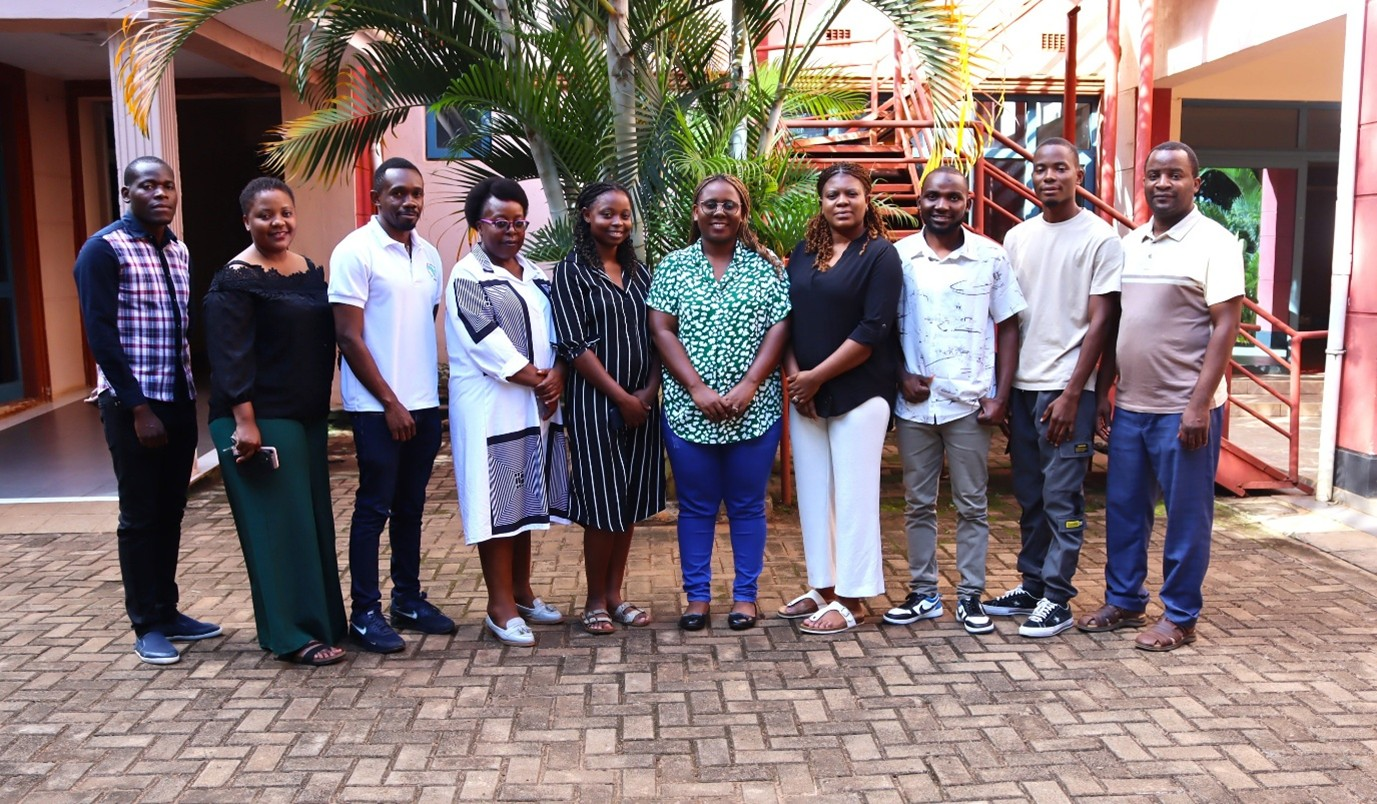
From 31st March to 4th April 2025, the WASHTED’s NIHR research team under Work Strand 4 (WS4), convened in Mulanje for a five-day intervention development workshop. The workshop aimed to design evidence-based behaviour change interventions targeting key WASH-related practices among adolescents, informed by findings from formative research and co-design sessions with the Youth Technical Working group, district and community level stakeholders.
The specific objectives of the workshop were to:
- Introduce and apply behavioural frameworks (COM-B and RANAS) to structure interventions; and
- Develop practical intervention packages for selected behaviours, including hand hygiene, smearing of faeces on latrine walls, and open defecation.
The workshop brought together 13 participants, including the project lead, co-Principal Investigator. Across five structured days, the participants engaged in a systematic process that included reviewing research findings, developing interventions in groups and iterative presentations for peer feedback. The final outputs included tailored intervention packages targeting both in-school and out-of-school adolescents in Mchinji and Blantyre districts.
Key outcomes of the workshop included:
- Clear intervention strategies for three main WASH problems: hand hygiene and sanitation in schools, and community-level sanitation;
- Practical integration of behavioural frameworks – Capability, Opportunity and Motivation (COM-B) and Risks, Attitudes, Norms, Abilities and Self-regulation (RANAS) – into the intervention design process.
- Strengthened collaboration and shared understanding among researchers and stakeholders.
The next steps include finalizing intervention designs, developing implementation and monitoring plans, and further stakeholder engagement to ensure contextual relevance and sustainability.