
Affordable and Clean Energy
Supporting Local Innovation Through Renewable Energy Grants
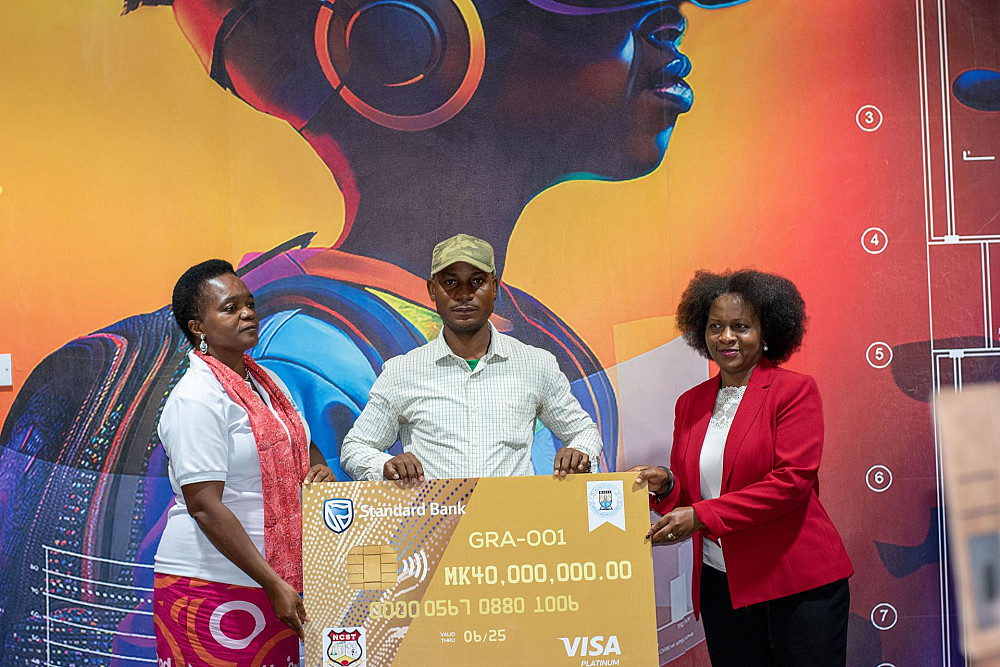
Chipeta (c) receives his grant
The Malawi University of Business and Applied Sciences (MUBAS), in collaboration with the National Commission for Science and Technology (NCST), has supported local innovation through grants under the Sustainable Renewable Energy Technologies (RETs) Programme.
Two Malawian innovators received grants worth K40 million each to develop solar-powered technologies. Innocent Phakhalekhale received support for a solar-powered food preservation system, while Alex Chipeta developed a solar-powered rope and washer pump to support irrigation for smallholder farmers.
The initiative promotes the development and adoption of renewable energy technologies, contributing to SDG 7: Affordable and Clean Energy, Target 7.2 on increasing the share of renewable energy.
Strengthening Renewable Energy Through Collaboration
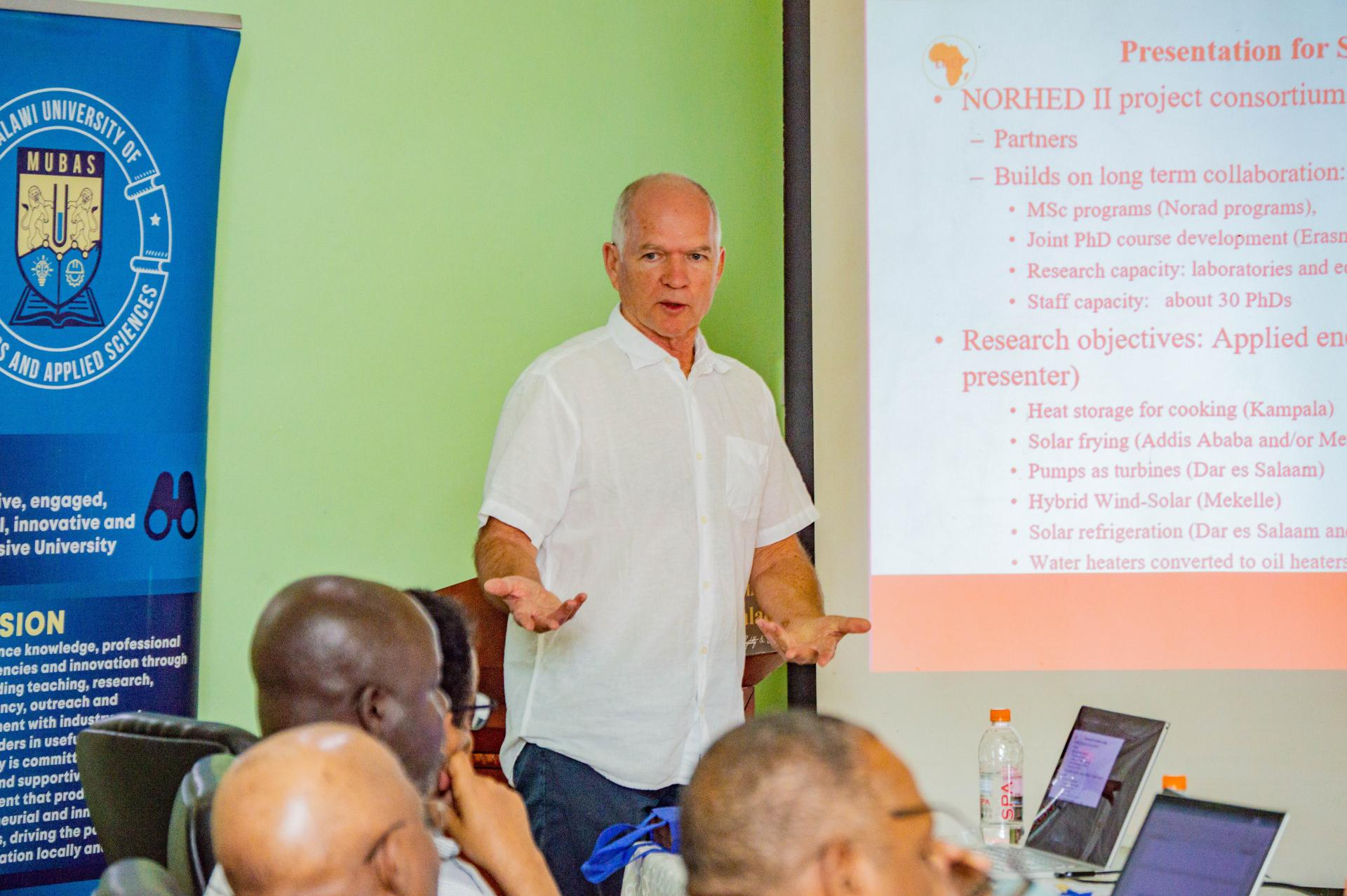
Prof. Ole Jørgen Nydal making a presentation
The Malawi University of Business and Applied Sciences (MUBAS) hosted the 2025 Energy Technology Network (EnergyNET) Annual General Meeting, bringing together researchers, policymakers and energy practitioners from Africa and Europe to advance sustainable energy solutions.
The meeting focused on renewable energy research, clean energy technologies and expanding access to affordable and reliable electricity, particularly for rural and off-grid communities. Participants also explored decentralized renewable energy systems and clean cooking technologies.
Delegates visited the Mthembanji Solar Mini-Grid, demonstrating how renewable energy innovations can improve access to electricity for households, businesses and public institutions.
The initiative directly contributes to SDG 7 Target 7.2, which calls for increasing the share of renewable energy, while also supporting Target 7.1 on ensuring access to affordable, reliable and modern energy services.
Solar-Powered Innovation for Efficient Water Management
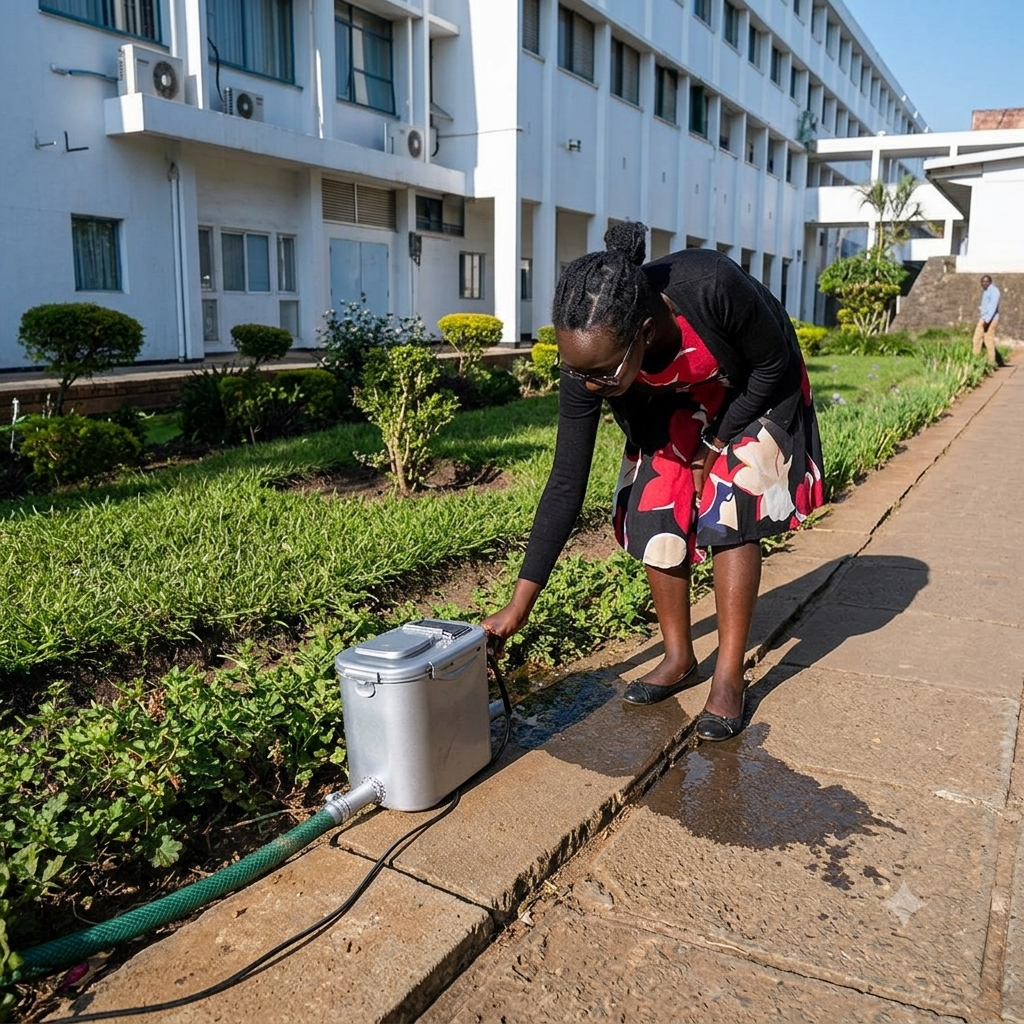
Engineering student showcasing the prototype
MUBAS’ three final year Engineering students developed an innovative solar-powered prepaid water meter that uses renewable energy to improve water management and reduce reliance on conventional battery power.
Developed by Computer Engineering students Takondwa Mphande and Tatiana Zingeni alongside Telecommunications Engineering student Kumbukani Mwambembe, the innovation combines a solar panel with a Hall Effect Sensor to improve water-flow measurement and monitoring.
The prototype also features a customer mobile application which enables users to purchase water tokens, monitor balances and track consumption in real time.
The project contributes to SDG 7 target 2, which promotes increased use of renewable energy, and Target 7.3 which calls for improved energy efficiency. By using solar energy to power an essential water-management system, the students demonstrate how engineering innovation can support cleaner energy use and more efficient service delivery.
Evidence Documents & Supporting Data
Verified institutional documentation, datasets, and certified audit artifacts for SDG evidence.
References & Evidence Sources
- [1] Annual Meeting
- [2] Solar Powered Water Meter
- [3] Local Innovators