
MUBAS International Research Collaboration Reviews Comparative WASH Approaches and Contributes to Best Practice
1. WASH for Everyone Intervention Study: Comparing Sanitation Approaches to Identify Effective Practices
Publication: Water, Sanitation, and Hygiene for Everyone Intervention Study: Protocol for a Controlled Before-and-After Trial (2025)
MUBAS through the WASH for Everyone Intervention Study demonstrates its contribution to international research aimed at identifying effective approaches to achieving universal sanitation. Through collaboration with international research partners, MUBAS researchers are involved in evaluating alternative approaches to improving sanitation outcomes in rural Malawi.
The study examines whether combining traditional Community-Led Total Sanitation (CLTS) with additional community support mechanisms can produce better and more sustainable sanitation outcomes. By testing different intervention approaches, the research provides an opportunity to compare their effectiveness and identify lessons that can strengthen sanitation programming.
The research is particularly relevant to international SDG practice because sanitation challenges are shared by many low- and middle-income countries. Evidence generated through the study can therefore help researchers, policymakers and development organisations understand which approaches are more effective, how internationally used sanitation models can be adapted to local contexts, and what practices can support sustained behaviour change.
Through this international research collaboration, MUBAS contributes to the comparative evaluation of approaches to SDG 6: Clean Water and Sanitation and generates evidence that can inform the design and improvement of sanitation interventions beyond Malawi.
2. Indoor Environmental Quality Research: Comparing Global Approaches to Develop African Context-Specific Practices
Publication: Advancing Indoor Environmental Quality in African Countries: A Call to Action for Awareness, Research, and Policy (2025)
The publication demonstrates MUBAS' participation in international research examining approaches to creating healthier and more sustainable indoor environments in African countries. This approach contributes to best practices in tackling SDG 3: Good Health and Wellbeing and SDG 13: Climate action. The work includes MUBAS Researcher Fabiano Thulu as a co-author alongside international researchers, bringing MUBAS expertise and an African perspective into a broader international research discussion.
The research reviews challenges and approaches relating to Indoor Environmental Quality (IEQ) and highlights the importance of considering regional differences when developing solutions for healthy and sustainable buildings. By bringing together perspectives from different researchers and contexts, the publication contributes to the comparison of existing approaches and identifies areas where further research, awareness and policy development are required.
An important contribution of the research is its emphasis on context-specific solutions for African countries. Approaches developed in other regions may not always respond adequately to Africa's climatic, economic, technological and building conditions. The research therefore supports the adaptation and development of sustainable building practices that are appropriate for African contexts while contributing African evidence to the international knowledge base.
3. Global Summit
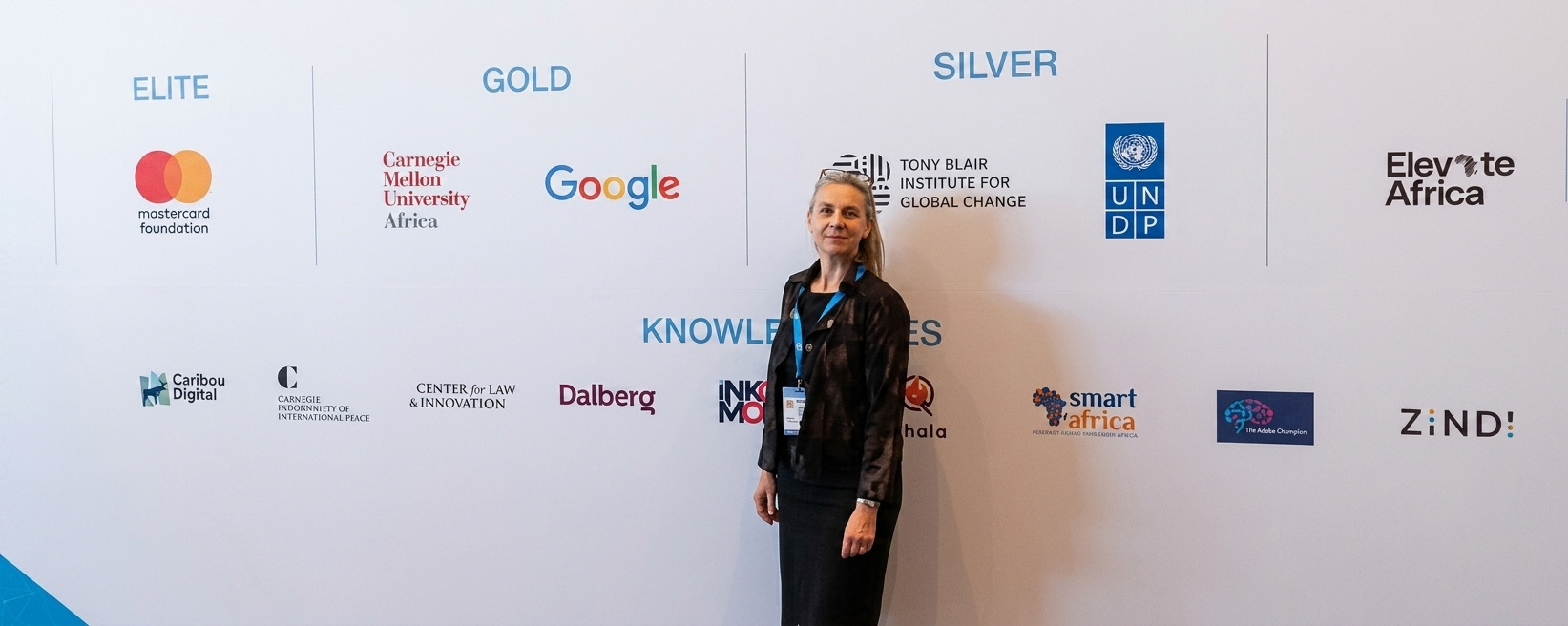
The Malawi University of Business and Applied Sciences (MUBAS), through its KAI Lab (Artificial Intelligence Research Laboratory), contributes to international research and knowledge exchange by examining emerging artificial intelligence (AI) approaches and adapting them to address sustainable development challenges in African and low-resource contexts.
In April 2025, KAI Lab participated in the Global AI Summit on Africa in Kigali, Rwanda, an international platform that brought together researchers, innovators, policymakers and technology stakeholders to exchange knowledge and explore responsible applications of AI for African development. During the summit, KAI Lab presented IntelSurv, an AI-powered disease surveillance feedback system designed to strengthen public health decision-making through real-time data analysis and AI.
IntelSurv demonstrates how MUBAS researchers are reviewing and adapting AI approaches to respond to local development challenges. The system applies AI techniques to disease surveillance and health information management, providing a locally relevant approach that can support evidence-based public health responses in Malawi and other resource-constrained settings.
Participation in the Global AI Summit also provided KAI Lab with an opportunity to engage with international researchers and AI practitioners, exchange knowledge on emerging technologies and compare approaches to responsible AI development. This international engagement enables MUBAS to assess global technological approaches against African development needs and identify solutions that can be effectively adapted to local contexts.
Through this work, MUBAS contributes to the development and dissemination of context-specific best practices for responsible AI adoption, particularly in healthcare. The approach demonstrates how international knowledge and research can be evaluated, adapted and applied to address SDG-related challenges rather than simply transferring solutions developed in other contexts.
KAI Lab's broader research activities further strengthen this contribution through the development of scalable and ethical AI solutions, research dissemination, datasets and national and international research collaborations. Together, these activities demonstrate MUBAS's role in connecting international AI research with African development priorities and contributing locally generated knowledge and solutions to the wider international SDG research community
4.JICA and MUBAS Strengthen International Knowledge Exchange for Sustainable Mining
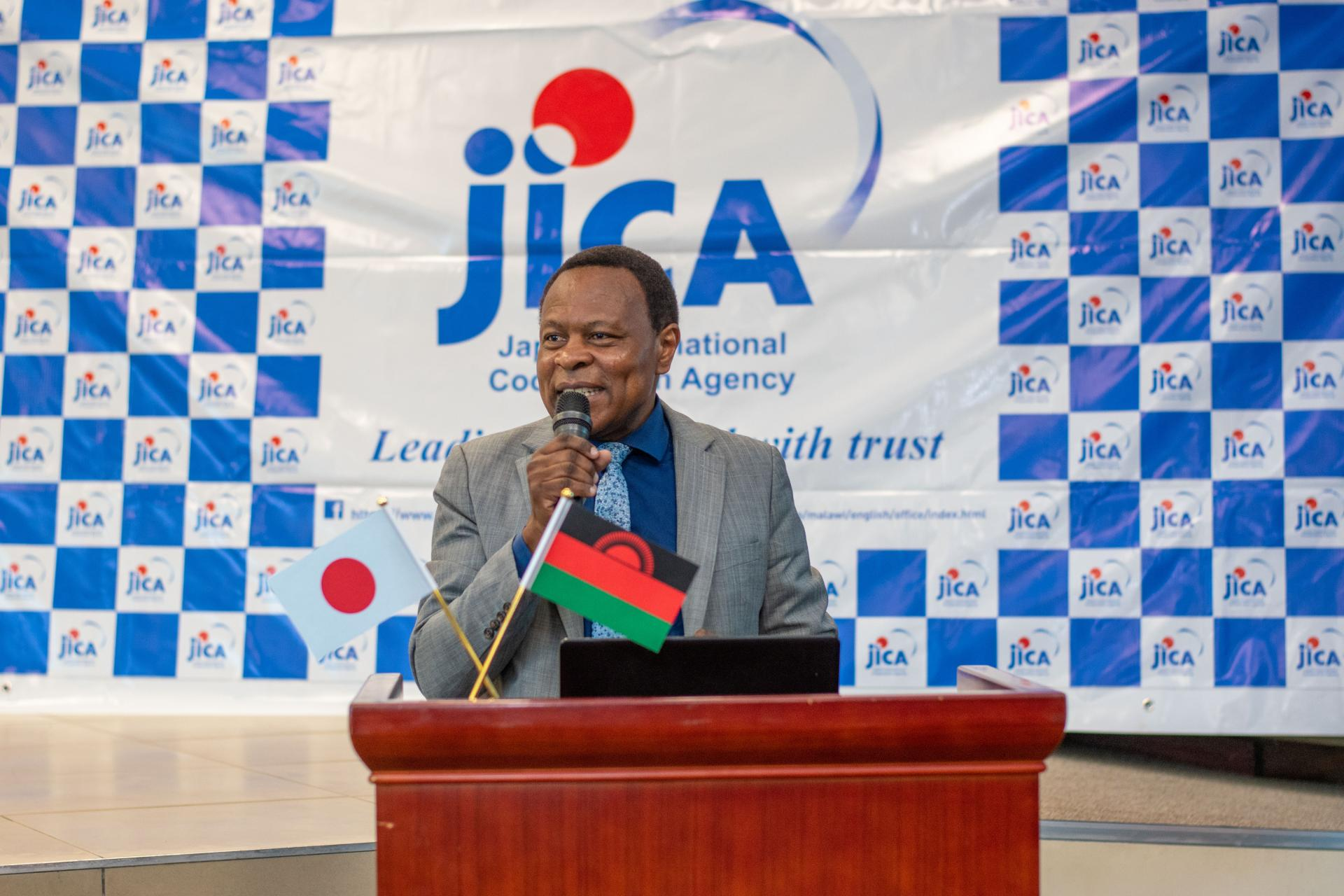
Associate Professor Burnet Mkandawire giving his remarks
The Malawi University of Business and Applied Sciences (MUBAS) is strengthening international knowledge exchange and learning in the mining sector through its partnership with the Japan International Cooperation Agency (JICA). This collaboration provides opportunities for MUBAS academics, students and other stakeholders to engage with international mining expertise and examine approaches that can contribute to the sustainable development of Malawi’s mining industry.
A key example was the JICA Chair Seminar, hosted by the School of Engineering through the Department of Mining in collaboration with JICA and the Japanese Embassy on 10 October 2025 at the MUBAS main campus in Blantyre. The seminar brought together mining experts, academics and students from MUBAS and other Malawian higher education institutions, including the University of Malawi (UNIMA), Malawi University of Science and Technology (MUST), and Lilongwe University of Agriculture and Natural Resources (LUANAR).
The seminar created a platform for participants to share international experiences, examine approaches to mineral exploration and mining-sector development, and identify lessons that could be relevant to Malawi. Dr. Yoshitaka Hosoi of JICA emphasised the importance of systematic mineral exploration as a foundation for attracting investment, while also highlighting the need for effective regulatory frameworks and strong governance in managing the mining sector.
The engagement also exposed participants to approaches that extend beyond mineral exploration. Discussions highlighted the importance of capacity building, technological development, human-resource training, sound policies and regulations, and local value addition. These areas provide opportunities for Malawi to learn from international experience while considering how relevant approaches can be adapted to the country's own mining context.
MUBAS Strengthens Global Data Collaborations For SDGs
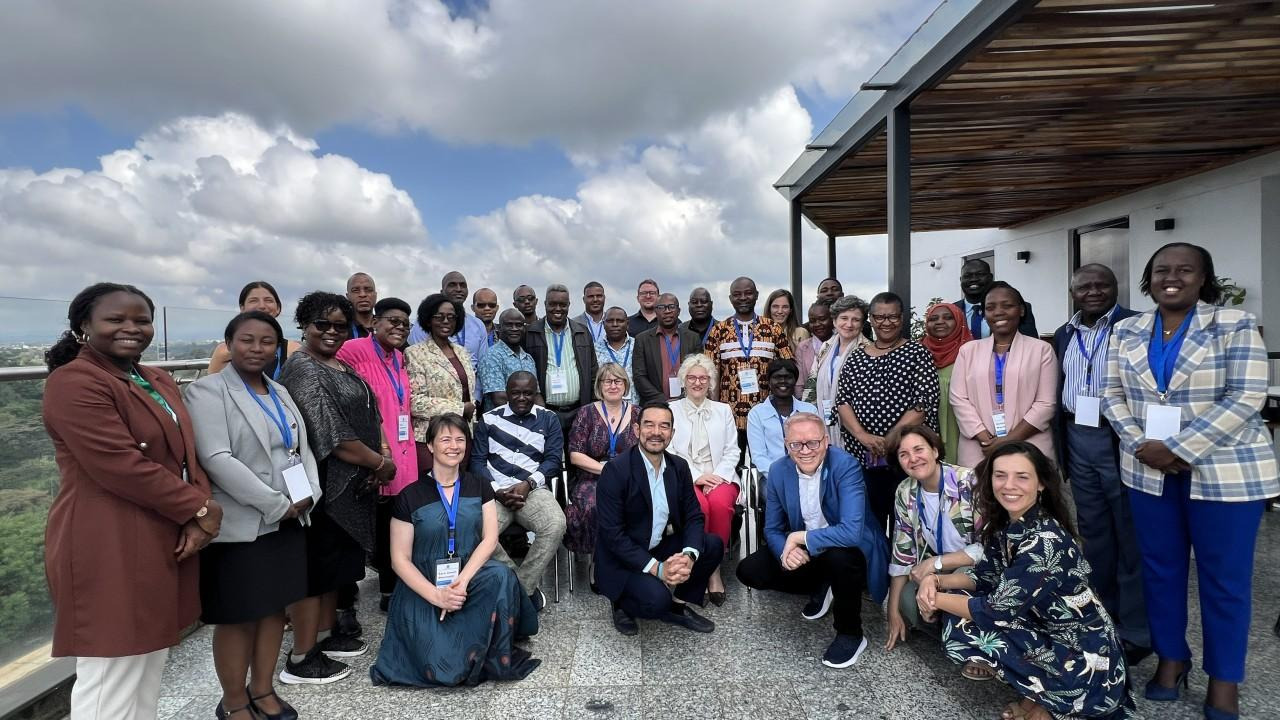
Academia for Social and Behavioral Change (SBC) Network Symposium in Nairobi, Kenya
The MUBAS cements its role as one of the Architects of Africa's Social Future through active participation in international networks that gather, measure and apply data for Sustainable Development Goals. As part of the landmark Academia for Social and Behavioural Change Network launched by UNICEF on 24-28 November 2025 in Nairobi, Kenya, MUBAS joined 24 leading universities from 16 countries across Eastern and Southern Africa. The Network, also supported by UNESCO ESARO, brought together institutions from Malawi, Botswana, Ethiopia, Kenya, Rwanda, South Africa, Tanzania, Uganda, Zambia, Zimbabwe and others with a shared mandate: to accelerate progress on children's rights through evidence generation, skills building and policy influence.
Representing the University at the 2025 UNESCO - ESARO Academia for SBC Network Symposium in Nairobi, Dr. Flemmings Fishani Ngwira, his participation underscores MUBAS' commitment to advancing localized, rigorous research that feeds directly into national and regional SDG monitoring. MUBAS Contribution to SDG Data and Measurement, SDG 3 Good Health and Well-being through the SBC Network's shared research agenda, MUBAS is collaborating on multi-country studies on health-seeking behaviours, nutrition, immunization, hygiene and adolescent health. Data is collected using harmonized SBC measurement tools co-developed with UNICEF and hosted on the dedicated platform academia4sbc.net, enabling cross-country comparison of behavioural indicators that influence child mortality and maternal health. Further, on SDG 5 Gender Equality and SDG 10 Reduced Inequalities, MUBAS researchers have contributed to evidence on harmful social norms, including child marriage, gender-based violence and school dropout that perpetuate inequality. The collaboration enables MUBAS to gather community-level behavioural data, disaggregated by gender, disability and geography, to inform policies that leave no child behind. This aligns with the Network's focus on understanding and influencing human behaviour for positive community change.