
Advancing programmes for Services Access at MUBAS
Digital Inclusion and Access to Digital Services
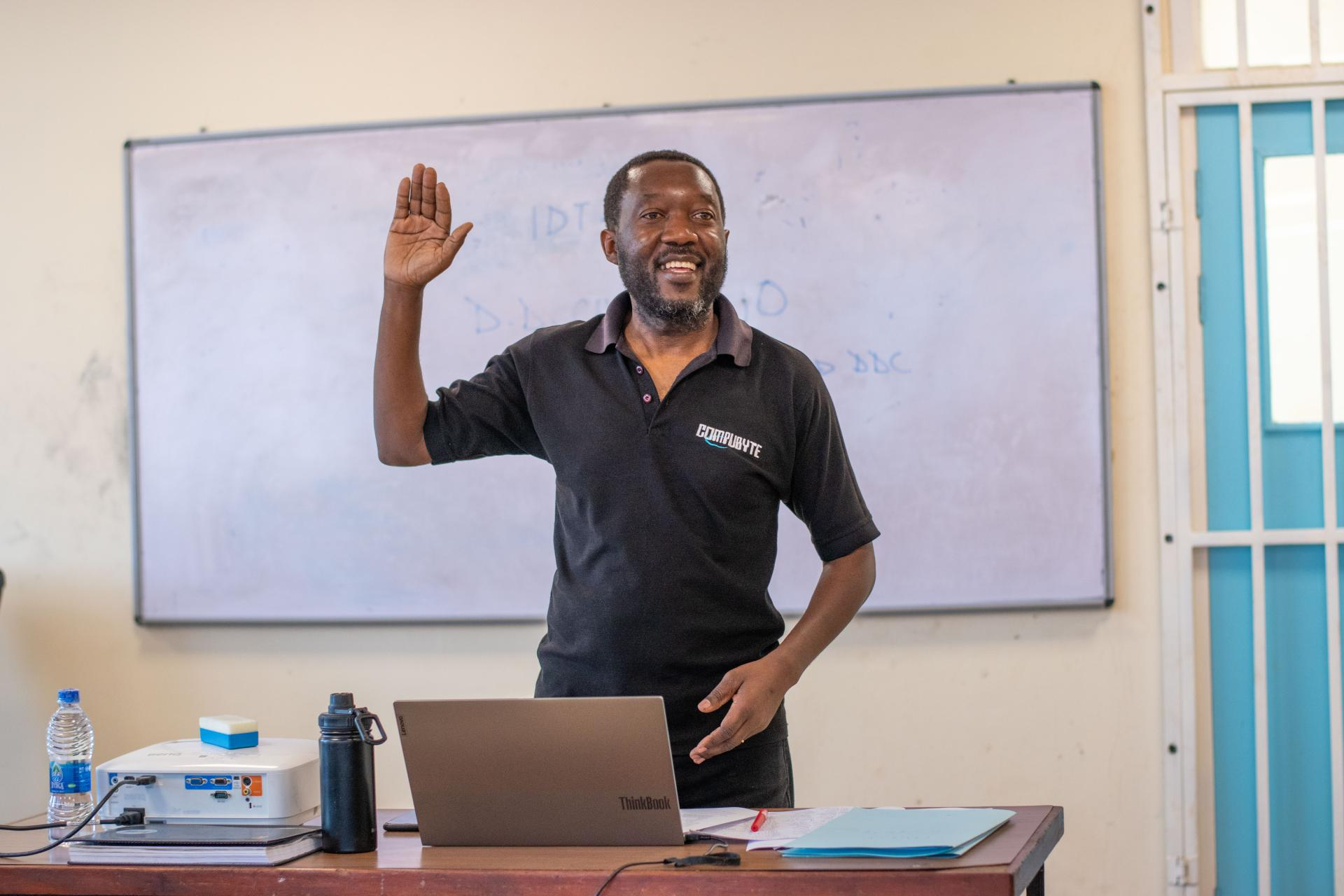
A major 2025 example is MUBAS’ Inclusive Digital Transformation in Malawi (IDT4M) Project, implemented through the Department of Computer Science and Information Systems in partnership with the Malawi Government and the United Nations Development Programme (UNDP). The project aims to reduce the digital divide by improving communities’ ability to use digital technologies and access government e-services. In October 2025, MUBAS trained 40 Digital Inclusion Advocates at its main campus in Blantyre. The training covered practical digital skills, including social media, mobile-money platforms, email, internet navigation and digital-device maintenance. The trained advocates then took this knowledge into their communities through awareness and training activities, initially targeting Mwanza and Mangochi districts.
The community-level impact was further demonstrated in December 2025 when MUBAS reported that its digital advocates were helping marginalized community members acquire practical digital skills. Beneficiaries learned how to create Google accounts, apply for jobs online, conduct business through social-media platforms and safely use mobile-money services. MUBAS specifically identified small-business men and women as beneficiaries, demonstrating how the programme helps communities access digital, employment, business and financial services.
This initiative therefore demonstrates MUBAS’ efforts to improve access to essential modern services through digital inclusion. By taking digital skills training directly into communities, particularly Mwanza and Mangochi, the programme helps people with limited digital access and skills participate in online employment, entrepreneurship, financial transactions and government e-services.
Nzeru Hub: Community Access to Digital Knowledge
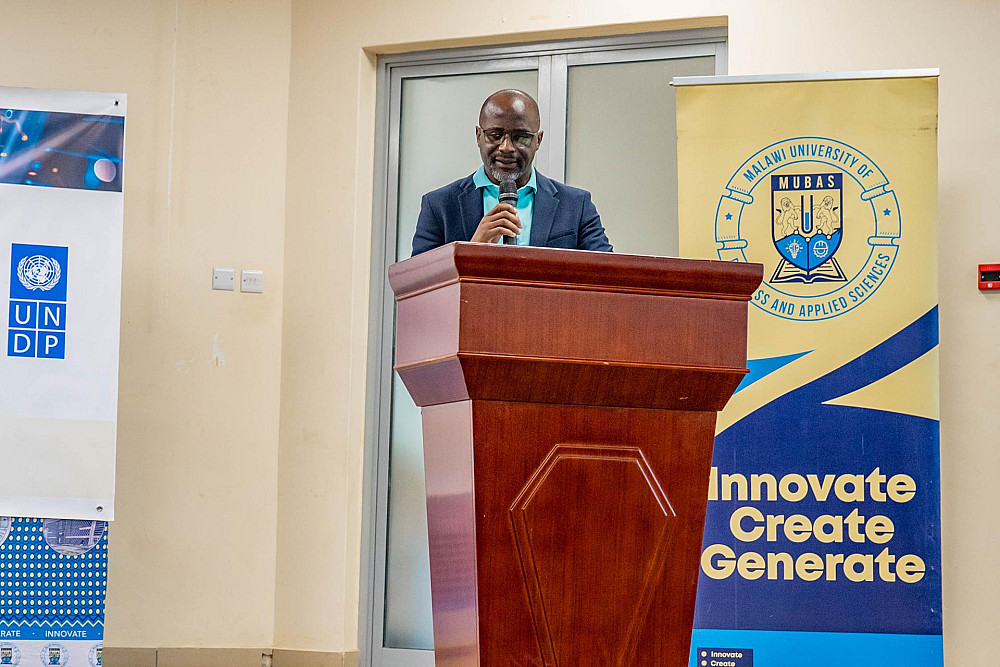
MUBAS also strengthened community access to digital services through the launch of Nzeru Hub in August 2025. The platform was designed for both the University community and the general public, with the aim of providing informal digital-skills training to communities. Under the initiative, students would be trained as digital advocates and subsequently transfer digital knowledge to community members, with particular attention to women and girls.
The initiative provides a practical mechanism for transferring university knowledge and digital resources to communities. By improving digital literacy, Nzeru Hub helps community members develop the skills needed to access online information, digital platforms and services that increasingly depend on digital technology. This supports MUBAS’ efforts to reduce digital exclusion and improve access to essential services among communities with limited digital skills.
Financial Literacy as a Community Service
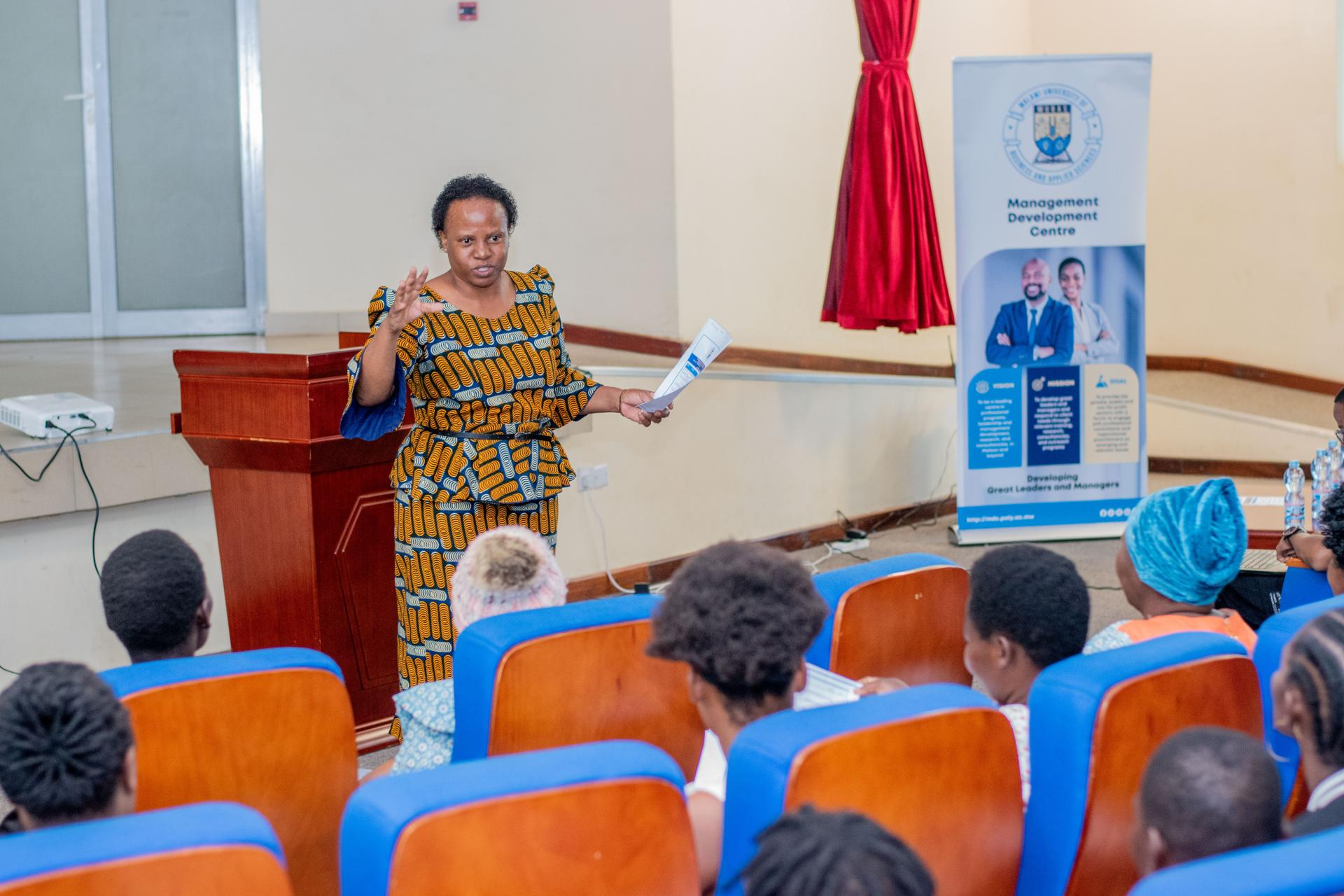
MUBAS also used its academic expertise to provide financial-literacy education for community entrepreneurs through a financial-literacy training programme. On 23 October 2025, the University's Management and Development Centre conducted financial-literacy training for 43 women entrepreneurs from Nanjiriri Group in Area 6, Machinjiri.
The training focused on helping participants make informed financial decisions and manage their businesses more effectively. Participants received practical training in financial management, record keeping and business decision-making. MUBAS described the intervention as part of its corporate social responsibility and community-empowerment activities.
By providing practical financial knowledge to women operating small and medium-sized businesses, MUBAS helped improve access to knowledge needed to manage income, make informed financial decisions and strengthen the sustainability of household and community enterprises. The programme demonstrates how the University uses its expertise to improve access to financial knowledge and services within the wider community.
Water, Sanitation and Hygiene Services for Communities
MUBAS also contributes to improved access to essential water, sanitation and hygiene (WASH) services through the Centre for Water, Sanitation, Hygiene and Appropriate Technology (WASHTED). In June 2025, MUBAS highlighted WASHTED’s contribution to improving WASH services, particularly in rural communities. The Centre uses research, partnerships, community engagement and appropriate technologies to address practical water, sanitation and hygiene challenges in Malawi.
During 2025, WASHTED also partnered with the University of Notre Dame on a two-year WASH, Poverty and Health study in Blantyre. The project examines the relationship between poverty, health and access to water, sanitation and hygiene, to develop practical, evidence-based and context-specific solutions to improve health and well-being in urban communities.
These activities demonstrate how MUBAS uses its academic expertise, research and community partnerships to address barriers to essential WASH services. Through WASHTED’s work, the University contributes knowledge and practical solutions that support improved access to water, sanitation and hygiene services, particularly among communities affected by poverty and limited access to essential resources.
Community Health and Well-being
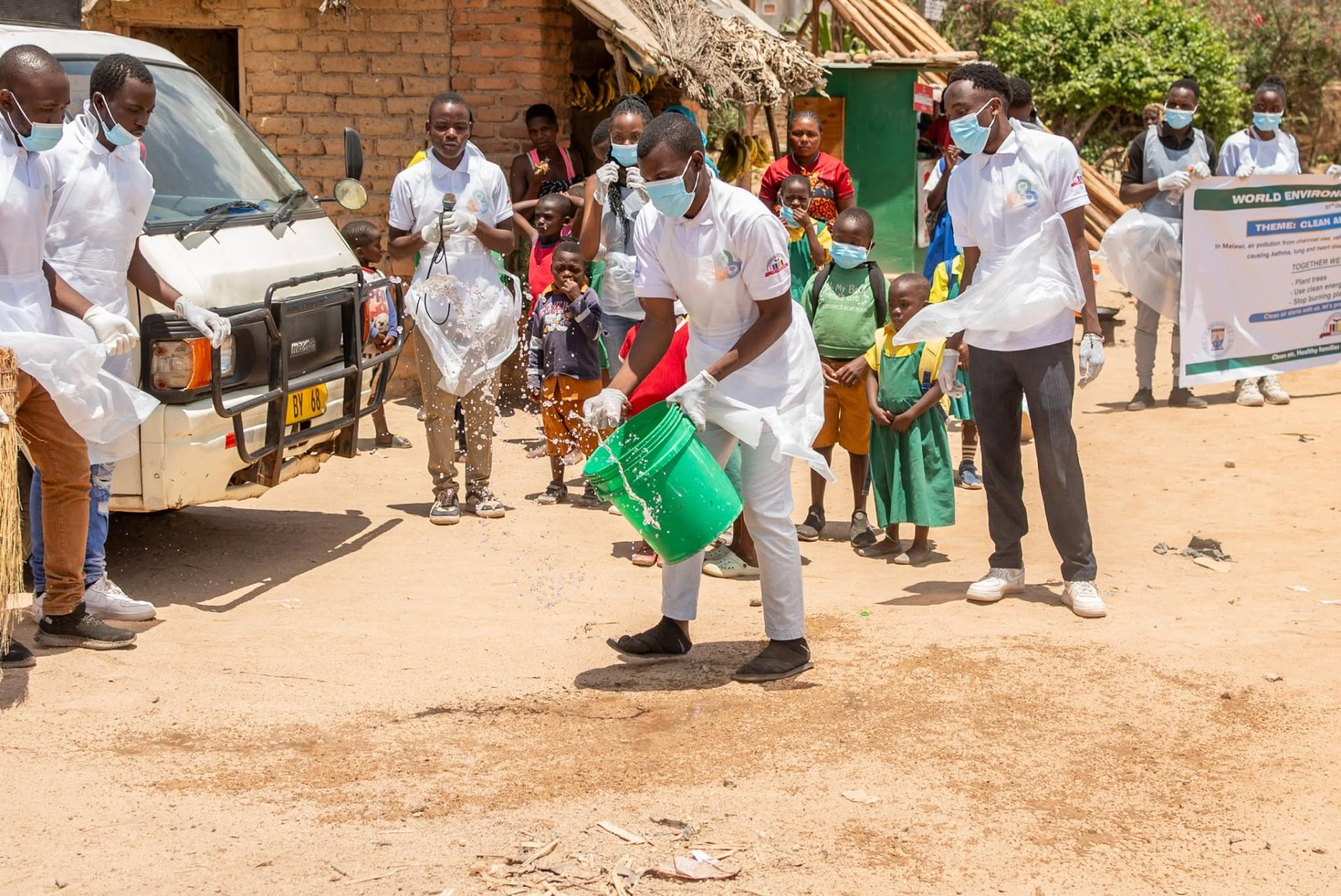
MUBAS also contributes to community health and well-being through health-related research, outreach and public-health education. Its WASH programmes and community activities address health risks that disproportionately affect vulnerable communities, while the University uses its academic and professional expertise to provide practical health information and promote preventive practices.
In 2025, Environmental Health students conducted community sensitisation and interactive learning activities in Makata and Ndirande, focusing on air pollution and its effects on human health. The activity provided community members with practical information on environmental health risks and prevention. This demonstrates MUBAS’ use of its professional expertise to provide health education directly to communities and improve access to information needed to protect health and well-being.
Education and Skills as a Basic Service
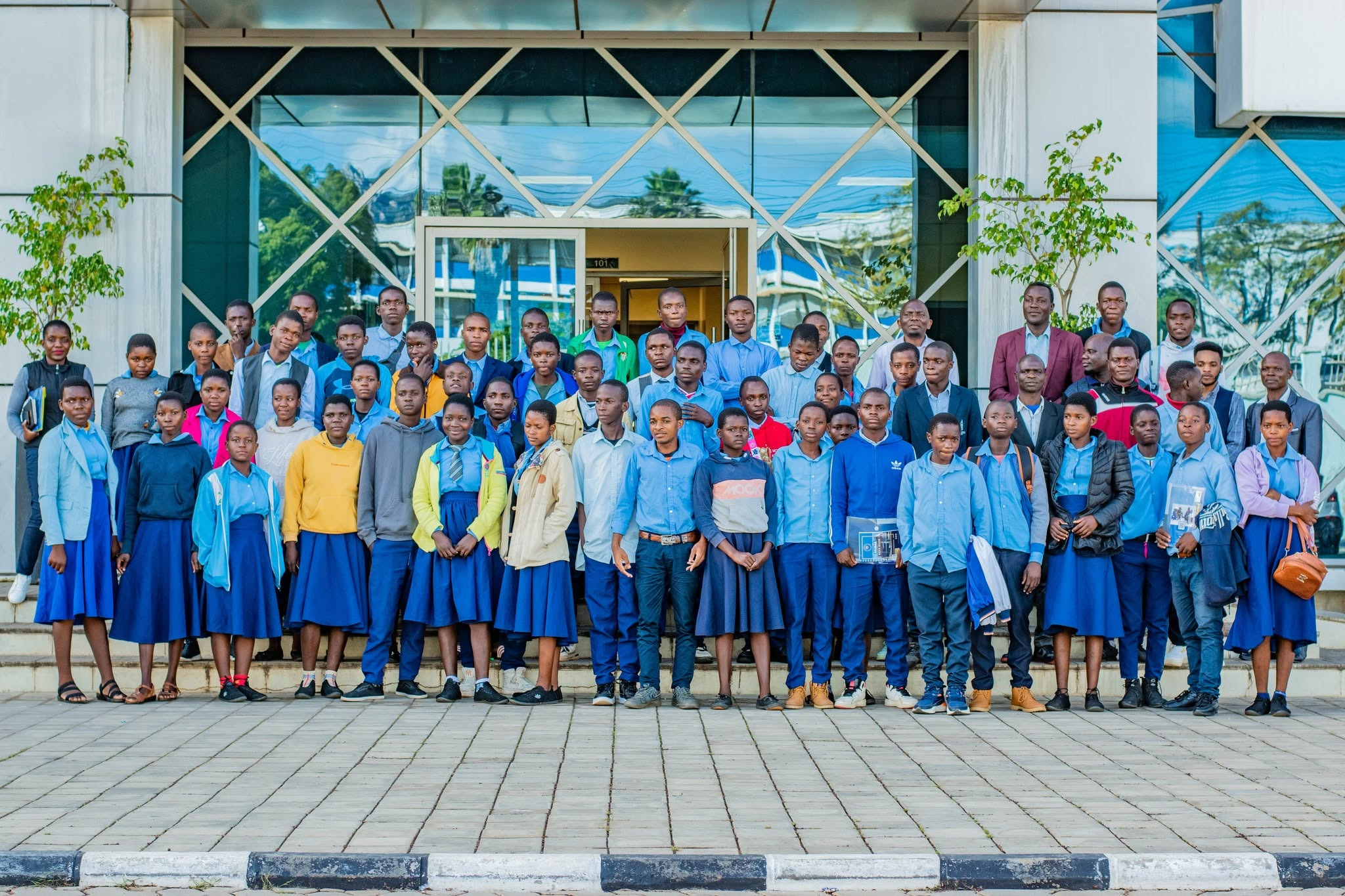
Students from Katole Community Day Secondary School in Thyolo visited MUBAS
In 2025, Malawi University of Business and Applied Sciences (MUBAS) hosted students from Katole Community Day Secondary School in Thyolo, offering them an opportunity to explore campus life and gain insight into available study programmes. This engagement reflects the university’s broader education outreach efforts aimed at improving access to basic services for all.
The visit helped bridge the gap between secondary and tertiary education by equipping learners with information on academic requirements, skills development, and professional opportunities. It also promoted equal access to learning opportunities by ensuring that students from different backgrounds can envision themselves in higher education settings.