
Continued Support for Student Success and Graduation
a. Institutional Commitment to Equitable Access and Student Success
The Malawi University of Business and Applied Sciences (MUBAS) is committed to ensuring that financial hardship does not prevent qualified students from either accessing or successfully completing higher education. Rather than operating a fixed quota system for admitting students from low-income households, the University adopts an equity-driven financing model that combines substantial government tuition subsidies, institutional financial assistance, national student loan schemes, external scholarships, and strategic partnerships to remove financial barriers throughout the student lifecycle.
This approach reflects MUBAS' commitment to inclusive higher education by ensuring that students from disadvantaged socio-economic backgrounds are supported from admission through to graduation. Instead of relying on numerical admission or graduation targets for students from the lowest household income groups, the University embeds affordability, equity, and student success within its institutional policies and financial support systems. As stated, the University is committed to ensuring that higher education remains accessible and that financial challenges should not stand in the way of academic success.
Consequently, MUBAS addresses both dimensions of equitable higher education by:
- Expanding access for financially disadvantaged students through affordable admission pathways; and
- Sustaining student success through continued financial and academic support until programme completion.
b. Financial Inclusion Framework Supporting Completion targets
Government Tuition Subsidy
One of the strongest mechanisms promoting equitable access at MUBAS is the Malawi Government tuition subsidy. Eligible normal-entry undergraduate students benefit from government support covering more than 90% of tuition costs. This significantly lowers the financial burden on households and enables academically qualified students from low-income families to enrol in higher education.
Rather than relying on tuition discounts after admission, MUBAS embeds affordability into its funding model, making university education accessible to thousands of students who would otherwise be unable to meet the full cost of study.
Institutional Bursaries and Endowment Fund
Recognising that some students continue to face financial hardship despite government subsidies, MUBAS established its Endowment Fund on November 15, 2025, to provide institutional bursaries for needy students.
The Fund allocates over MK100 million annually towards student support, assisting eligible students with:
- tuition top-ups;
- accommodation costs;
- learning materials; and
- other essential academic expenses.
Awards are based on demonstrated financial need, academic performance, and social vulnerability, ensuring that assistance reaches students most at risk of exclusion from higher education.
These bursaries strengthen equitable admission by enabling financially disadvantaged students to commence and continue their studies.
Higher Education Students' Loans and Grants Board (HESLGB)
MUBAS students also benefit from financing provided through the Higher Education Students' Loans and Grants Board (HESLGB), established under the Higher Education Students' Loans and Grants Board Act No. 2 of 2015.
The Board finances needy and deserving students enrolled in accredited higher education institutions throughout Malawi by providing loans that cover tuition and, where applicable, living expenses.
The scheme prioritises economically disadvantaged applicants and represents one of Malawi's principal national mechanisms for expanding equitable access to higher education.
For many MUBAS students from low-income households, HESLGB financing provides the critical support required to enrol at university. For instance, in 2025, HESLGB received a total of 5521 loan applications from Malawi University of Business and Applied Sciences (MUBAS). Upon rigorous assessment of the loan applications, 5426 applicants met the eligibility criteria.
c. External Scholarships and Development Partners
MUBAS complements government financing through partnerships with international organisations and development partners.
Examples include scholarships supported by the German Academic Exchange Service (DAAD), which provide opportunities for academically talented students to pursue postgraduate education and specialised research programmes. Other benefits of this scholarship include;
- Full tuition fee coverage
- Monthly living stipend
- Health insurance
- Travel allowance
- Financial support for academic research
- Study-related expense assistance
- Access to university academic and research facilities
In 2025, this scholarship opportunity, seven (7) MUBAS students benefited from scholarship support, helping them access higher education and advance their academic and professional development.
The University also works with initiatives such as the Kwera Fund, which combines financial support with employability training, entrepreneurship development, and career readiness programmes, thereby widening educational opportunities while improving future economic outcomes.
Collectively, these partnerships expand access to higher education for students whose financial circumstances might otherwise prevent university participation.
d. Student Welfare and Academic Support
Financial assistance at MUBAS is complemented by broader student support services aimed at promoting academic success and student well-being.
Students have access to academic guidance, faculty mentoring, student welfare services, counselling, and administrative support that help address both academic and personal challenges encountered during their studies.
Where financial hardship threatens academic progression, eligible students may access additional institutional support through bursaries, payment arrangements, or referrals to appropriate funding opportunities.
Together, these interventions strengthen student retention while creating an environment that supports successful programme completion.
e. Partnerships Supporting Student Completion
MUBAS' collaboration with government agencies, development partners, scholarship providers, and philanthropic initiatives extends beyond facilitating admission.
These partnerships continue supporting students throughout their studies by financing tuition, research activities, postgraduate training, and professional development opportunities.
The University's Endowment Fund further demonstrates its long-term commitment to student success by mobilising sustainable resources dedicated to assisting financially vulnerable students throughout their educational journey.
Institutional Impact
The effectiveness of MUBAS' financial inclusion framework is demonstrated through measurable institutional outcomes.
Available institutional evidence shows that:
- more than 70.51% of students benefited from financial assistance programmes in 2025;
- over 7,000 students accessed financial support through various funding mechanisms;
- the University allocates more than MK100 million annually through its Endowment Fund to support financially disadvantaged students; and
- substantial government tuition subsidies continue making higher education affordable for the majority of eligible undergraduate students.
These figures demonstrate that financial assistance is not a peripheral intervention but a core institutional strategy for promoting equitable access, improving student retention, and supporting successful graduation.
The Malawi University of Business and Applied Sciences demonstrates a comprehensive institutional commitment to supporting students from low-income backgrounds throughout the entire higher education journey from admission to graduation. These interventions serve two complementary purposes. First, they expand access by enabling academically qualified students from disadvantaged households to enrol at MUBAS despite financial constraints. Second, they function as long-term retention mechanisms by providing sustained financial and welfare support that enables students to remain enrolled, progress academically, and successfully complete their programmes.
Through this integrated approach, MUBAS demonstrates that equitable higher education is achieved not through admission quotas alone but through sustained institutional investment in affordability, student support, and academic success.
f. Low-Income Student Support
The Malawi University of Business and Applied Sciences (MUBAS) provides an integrated range of student support services designed to reduce financial and social barriers that can affect students' ability to remain at university and successfully complete their studies. Through its Directorate of Students Affairs and campus support facilities, the University provides financial assistance, affordable accommodation, accessible food options, transportation support for academic activities, healthcare, mental health services and recreational facilities. These services form part of MUBAS's broader commitment to ensuring that financial hardship does not prevent students from accessing and completing higher education.
Financial assistance is a core component of this support system. MUBAS assists underprivileged students to access loans, scholarships and other funding opportunities through the Directorate of Students Affairs. The University states that this support is intended to ensure that students, regardless of their economic status, are able to graduate. For the reported student population of 9,756, MUBAS records 6,244 fund beneficiaries, demonstrating the scale of financial assistance available to students. The University also facilitates access to the Higher Education Students' Loans and Grants Board (HESLGB), whose mandate includes promoting equitable access to higher education for underprivileged students.
Accommodation
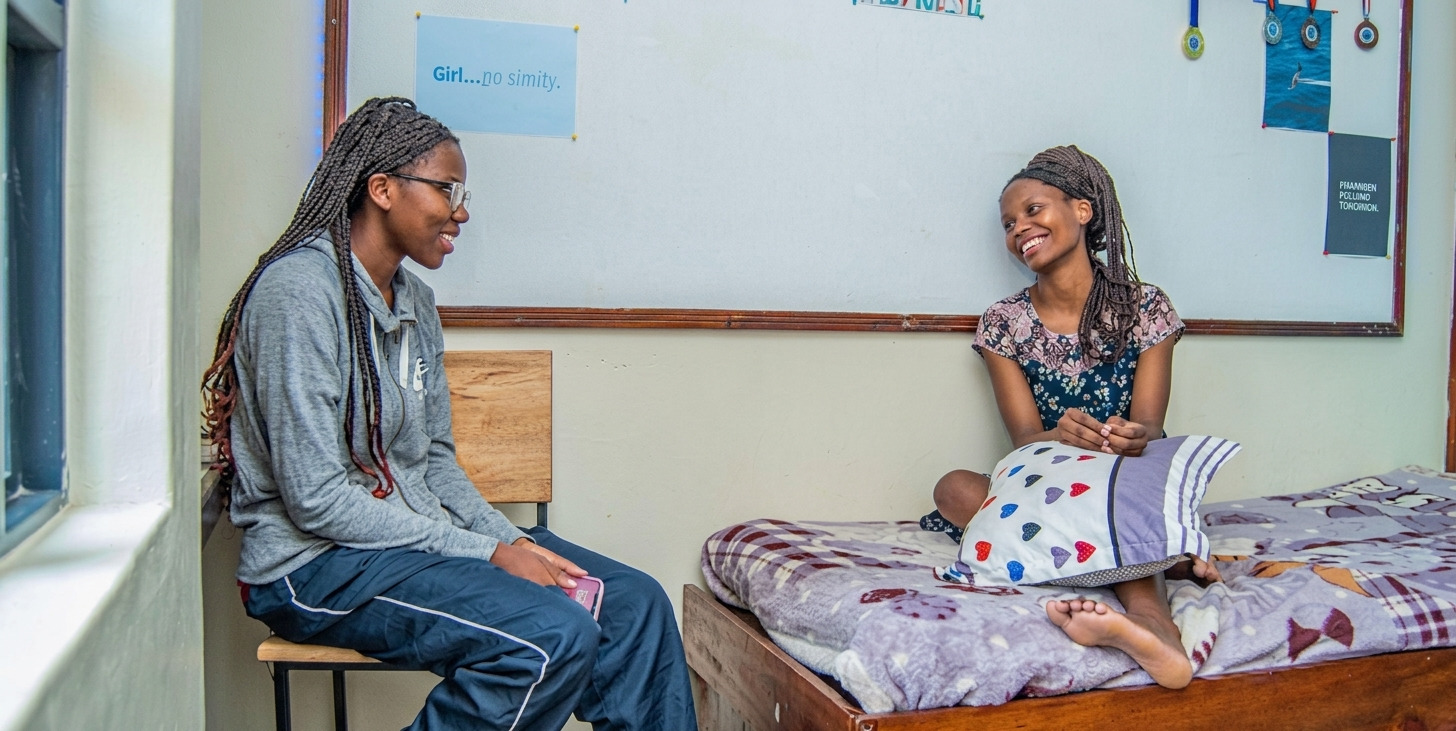
Housing support is provided through University-managed accommodation and links to nearby private accommodation. Institutional and private accommodation options are intended to support students from low-income families and enable them to complete their studies. University-managed hostels are provided at subsidized rates per bed, with five on-campus hostels as well as additional off-campus hostel arrangements for students, particularly new entrants. The University also provides secure accommodation, Wi-Fi, cleaning and maintenance services, and facilities accessible to students with special needs. By providing affordable housing options close to campus, MUBAS helps reduce the cost and practical burden associated with securing accommodation while studying.
Food & Dining
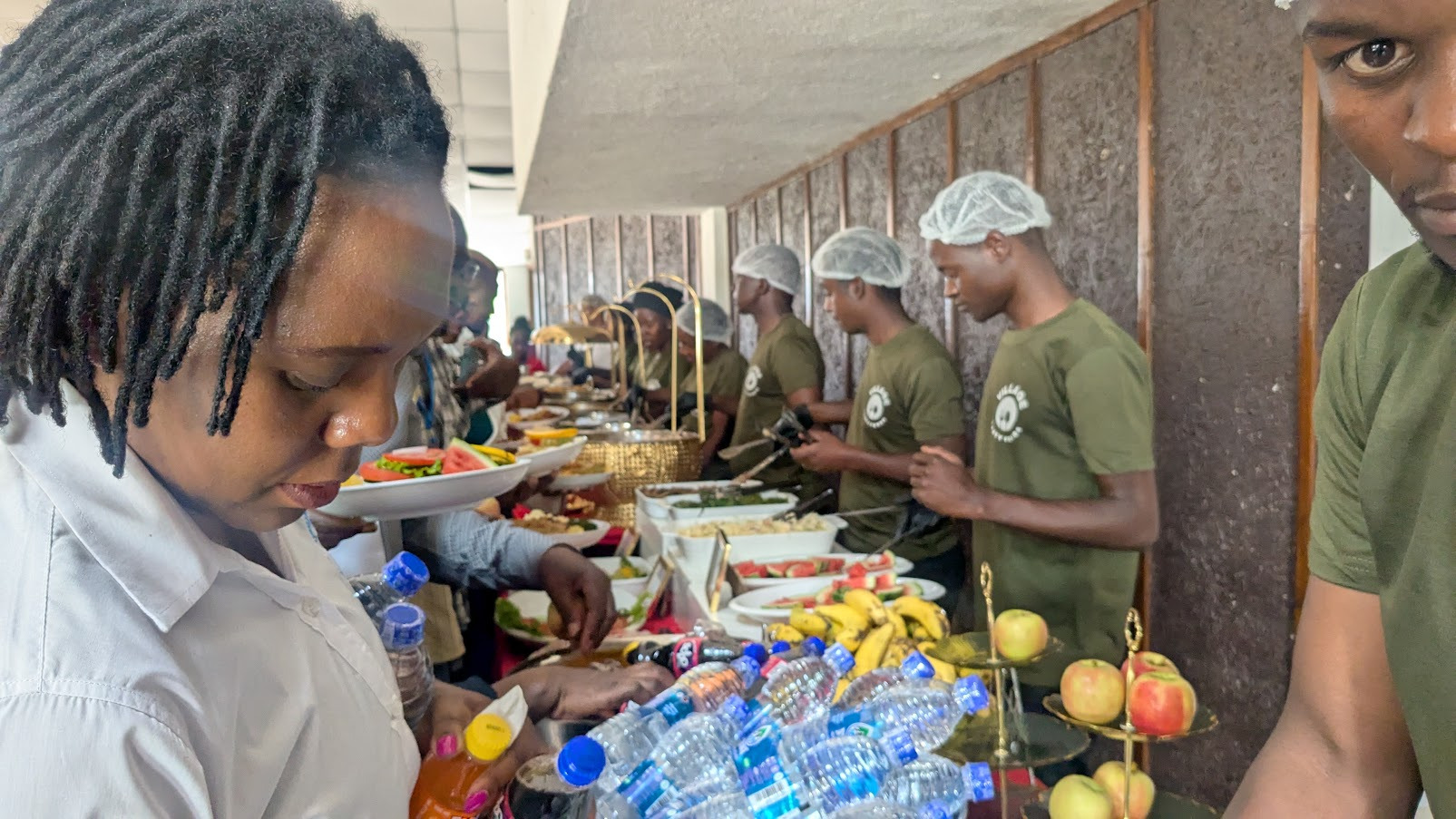
Food and dining support is provided through affordable and accessible food options on and around campus. MUBAS provides certified food vendors operating on campus, tuck-shops and the Junior Common Room, giving students access to meals and snacks at reasonable prices. The University's central location also provides students with access to nearby food outlets within walking distance, offering additional choices that can accommodate different budgets. These arrangements help students meet their daily food needs without having to travel far from campus or rely exclusively on higher-cost dining options.
Transportation Services

Transportation support is provided by MUBAS through its dedicated fleet of vehicles. Students can access University transport on a need basis for official academic activities, including field trips, research projects and educational tours. Requests are coordinated through Heads of Department and the University's transport office, with arrangements made according to the academic activity and vehicle availability. This support helps reduce transportation barriers and ensures that students are able to participate in compulsory and educational activities beyond the classroom.
MUBAS Clinic
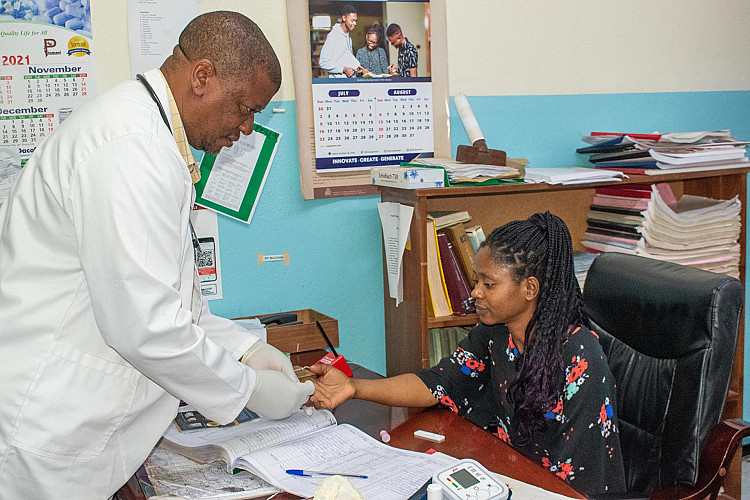
Healthcare support is also available on campus. The MUBAS Clinic provides essential medical services to students at no cost and offers primary healthcare, emergency care, health education, vaccinations, women's health services, sexual and reproductive health services, HIV-related services and referrals where required. By providing healthcare within the University, MUBAS reduces the financial and logistical burden that students may otherwise face when seeking medical attention outside campus.
Mental Health Support
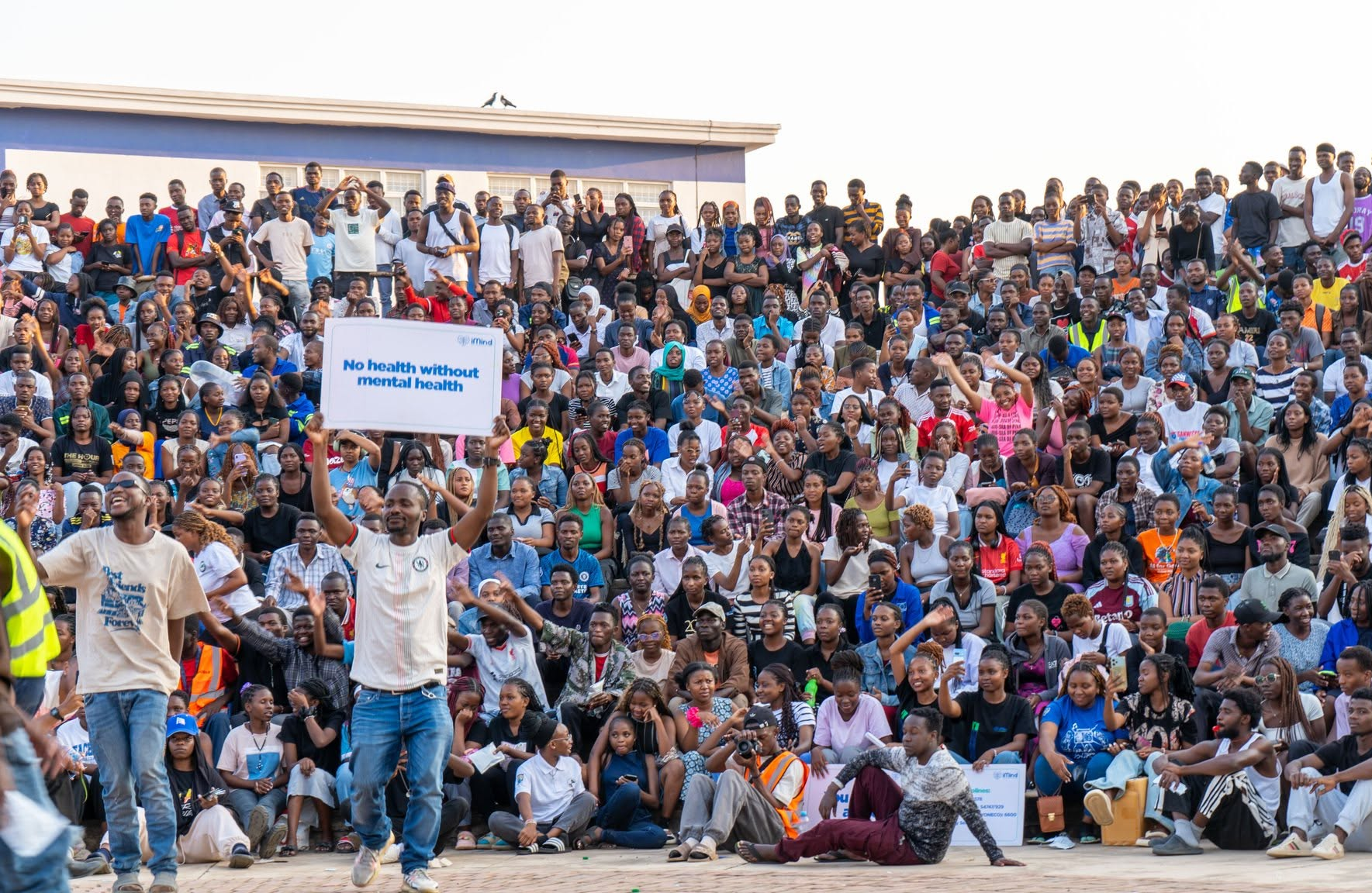
Mental health and counselling services are provided free of charge through the Directorate of Students Affairs, University Chaplain's Office and Campus Clinic. Students can access mental health education, individual counselling, emotional support, case-specific interventions, professional guidance and referrals to external specialists where necessary. This support helps address personal, emotional and academic challenges that can affect students' well-being and educational progress.
Sports & Gaming

Sports and recreational facilities further contribute to student well-being and campus inclusion. MUBAS provides students with access to a range of sports and recreational activities, including football, netball, volleyball, basketball, athletics, hockey, pool, chess, bawo, darts, lawn and table tennis, martial arts and weightlifting, as well as gymnasium and board-game facilities. These opportunities support students' physical and mental well-being and contribute to a healthy and balanced university experience.
References & Evidence Sources
- [1] Government Tuition Subsidy
- [2] Higher Education Student's Loans Grants Board
- [3] DAAD
- [4] Financial Intiatives
- [5] Accomodation
- [6] Food and Dining
- [7] Transportation
- [8] MUBAS Clinic
- [9] Sports and Gaming