
MUBAS Utilises Sustainable Water Extraction Technologies to Improve Water Security
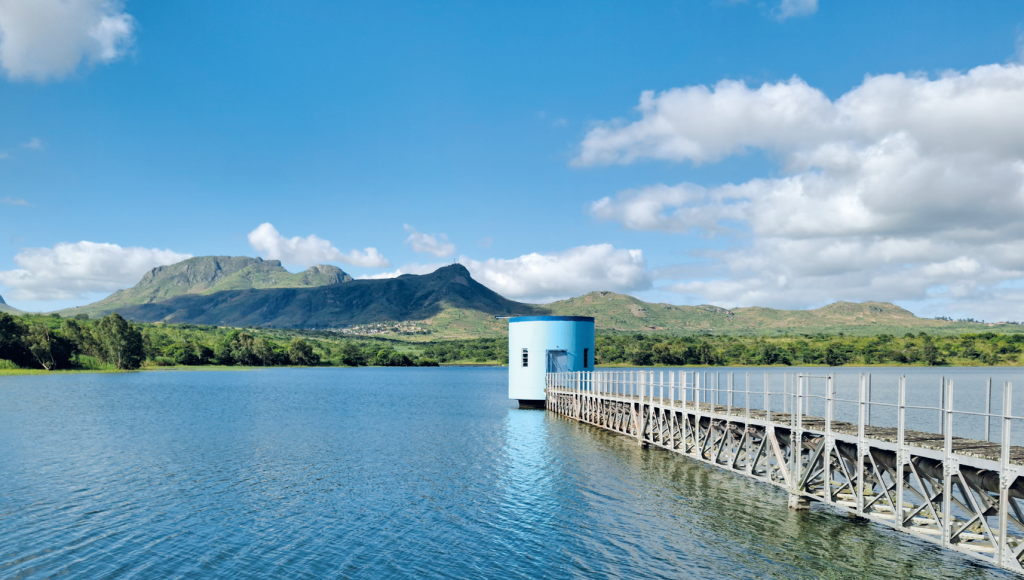
MUDI Dam at Blantyre Water Board
The University benefits from the Blantyre Water Board's controlled pumping system, which supplies treated water through an efficient and sustainable distribution network. In addition, MUBAS has invested in its own water storage infrastructure to improve water availability and reduce dependence on municipal water supplies.
To support sustainable water management, MUBAS harvests rainwater from campus buildings and channels surface runoff into a purpose built storage dam. The storage facility functions as a water storage system, enabling the University to capture and store alternative water sources for use during periods of increased demand. This approach improves water security while reducing pressure on treated municipal water supplies.
Monitoring and System Performance Evaluation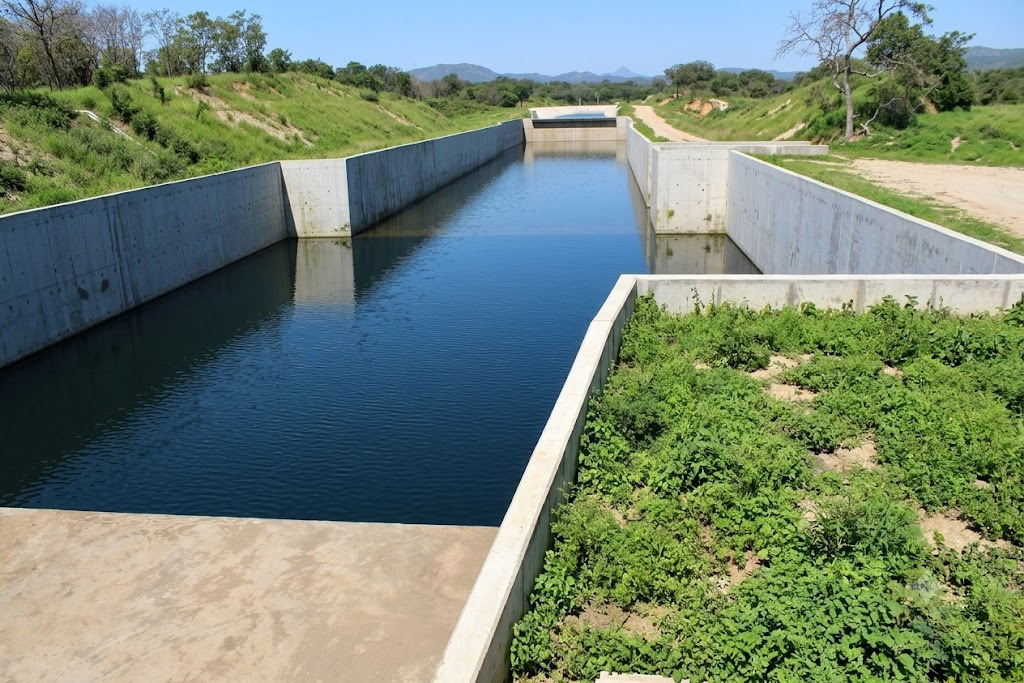
MUBAS water storage dam supports sustainable water reuse.
Following the successful implementation of its water reuse and conservation project, the Malawi University of Business and Applied Sciences (MUBAS) has enhanced its efforts by introducing continuous monitoring and performance evaluation of the University's water reuse system. This ongoing initiative ensures that the infrastructure continues to operate efficiently while supporting sustainable water management across the campus.
The University's water storage dam, treatment infrastructure, and water conveyance system are regularly monitored to assess water storage levels, system performance, and the efficiency of recycled water use. Routine monitoring helps ensure that harvested rainwater and stored surface water continue to meet the University's non-potable water needs, including landscape irrigation and campus cleaning.
The monitoring process provides valuable operational data that supports preventive maintenance, improves water-use efficiency, and helps identify opportunities to optimize the performance of the water reuse system. Through continuous assessment, MUBAS is able to maintain the reliability of its infrastructure while ensuring that recycled water is used effectively throughout the year.
The water reuse system continues to recycle more than 14,000 kilolitres of water annually, contributing to reduced dependence on municipal water supplies and strengthening the University's commitment to sustainable resource management. Regular monitoring also enables the University to evaluate the effectiveness of its water conservation measures and make informed decisions for future improvements.
By building on its existing water reuse infrastructure, MUBAS demonstrates that sustainable water management extends beyond the installation of facilities to include continuous monitoring, evaluation, and improvement. This approach ensures the long-term performance of the system while reinforcing the University's commitment to responsible water stewardship and sustainable campus operations.
MUBAS demonstrates its commitment to efficient water resource management by combining the sustainable controlled pumping system provided by the Blantyre Water Board with its own water storage infrastructure. These technologies improve water resilience, promote water conservation, and contribute to the University's long-term commitment to environmental sustainability.
Water Reservoirs
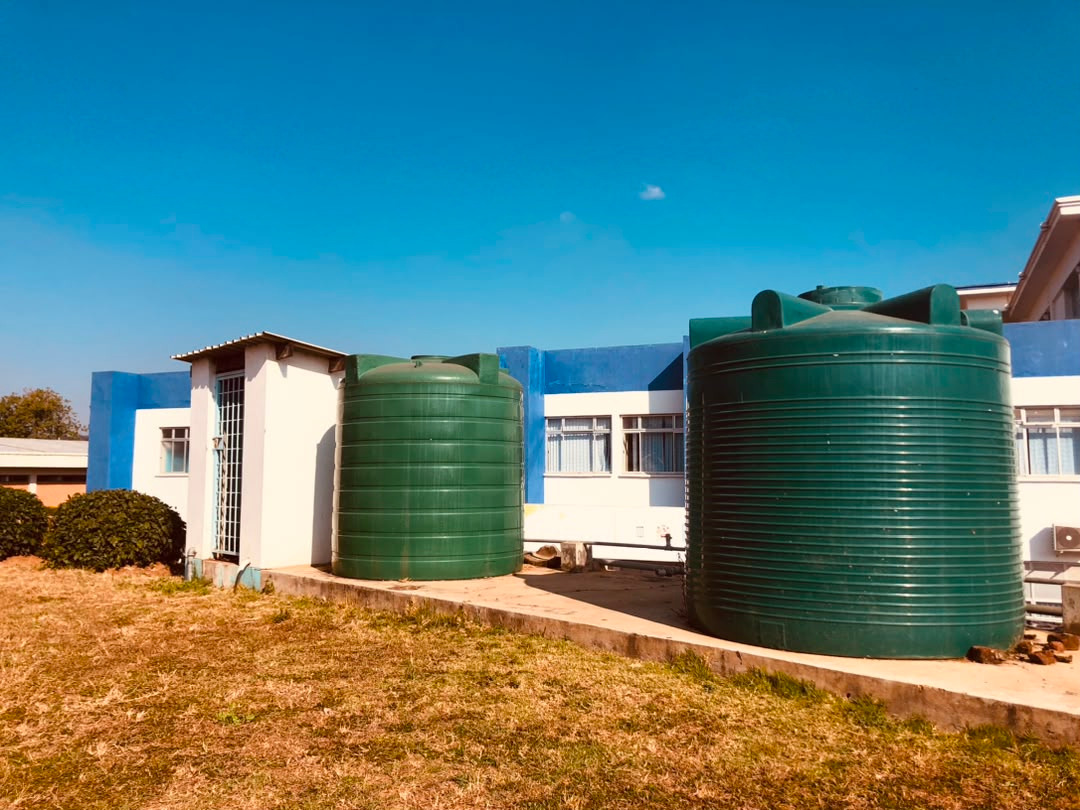 Water storage Tanks at MUBAS
The University regularly monitors and maintains its water storage infrastructure to ensure efficient operation and reliable water availability. The storage system supports the University's commitment to responsible water resource management by making effective use of naturally available water resources and strengthening the resilience of campus water supplies.
References & Evidence Sources
- [1] Water Board