
Environmental Stewardship
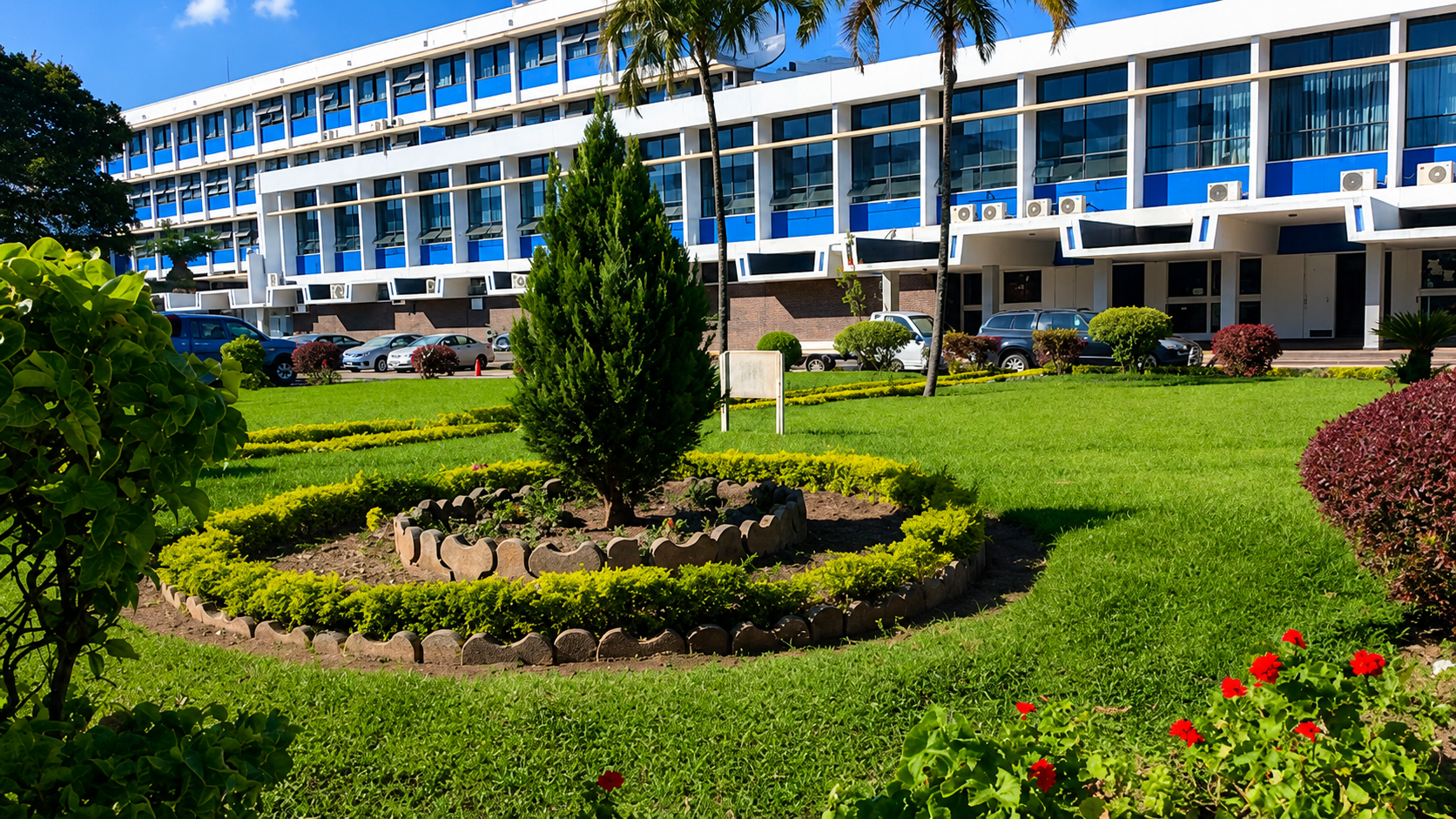
MUBAS Landscapes for water -conscious approaches
Building on its commitment to sustainable campus development, MUBAS has implemented landscaping practices that prioritise low-water-demand vegetation, soil moisture conservation and efficient irrigation management. These practices support Sustainable Development Goal 6 by reducing dependence on potable water for landscape maintenance while ensuring that campus green areas remain functional and aesthetically sustainable.
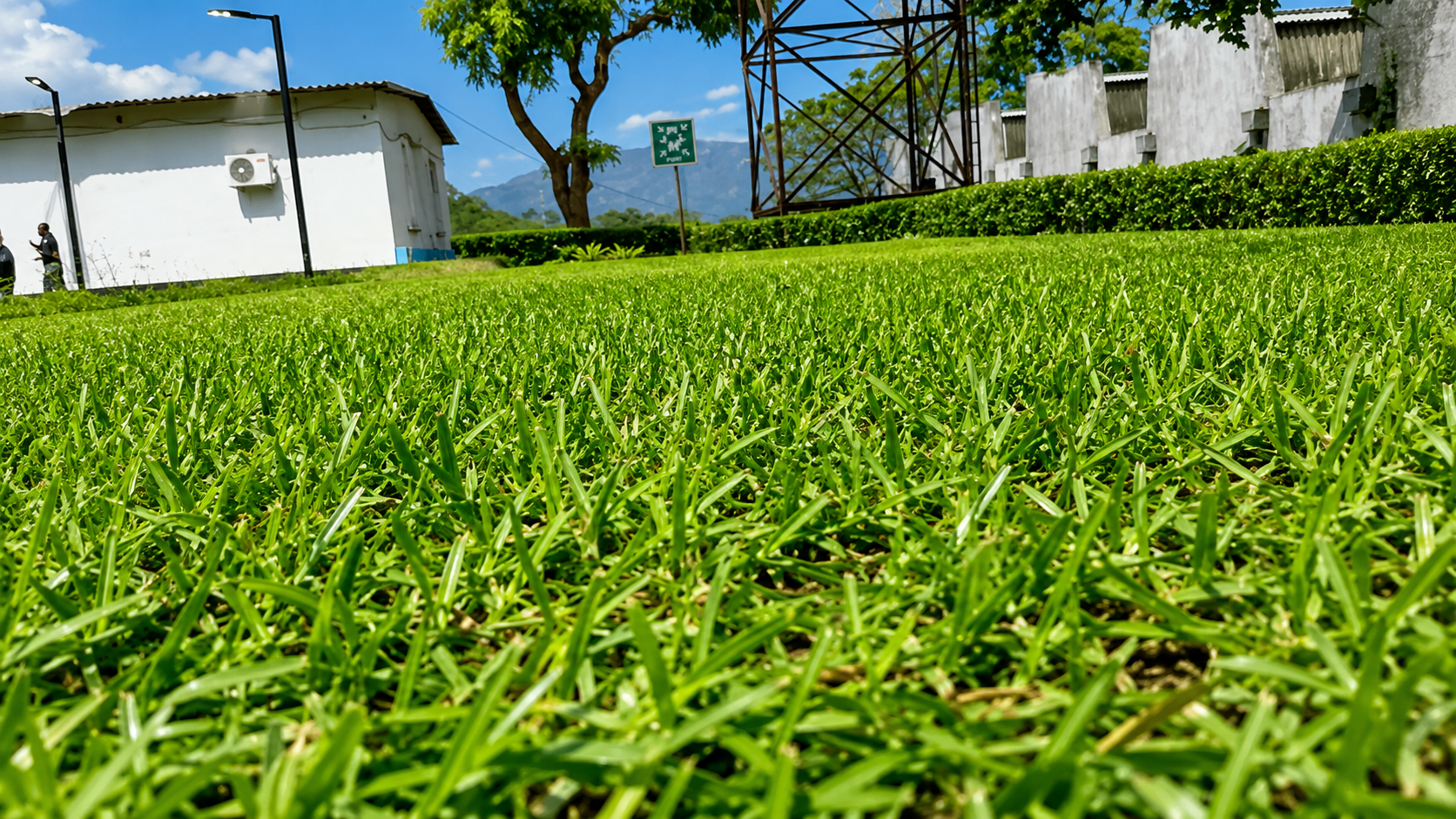
1. Use of Low-Water Landscaping and Ground Cover
MUBAS demonstrates the use of dense ground-cover vegetation across landscaped areas. Ground-cover plants provide several water conservation benefits by:
- reducing direct exposure of soil to sunlight;
- limiting evaporation;
- improving soil moisture retention;
- reducing the frequency of irrigation required.
Such vegetation supports a water-efficient landscape design by maintaining green spaces while lowering water demand compared to high-maintenance grass-only landscapes.
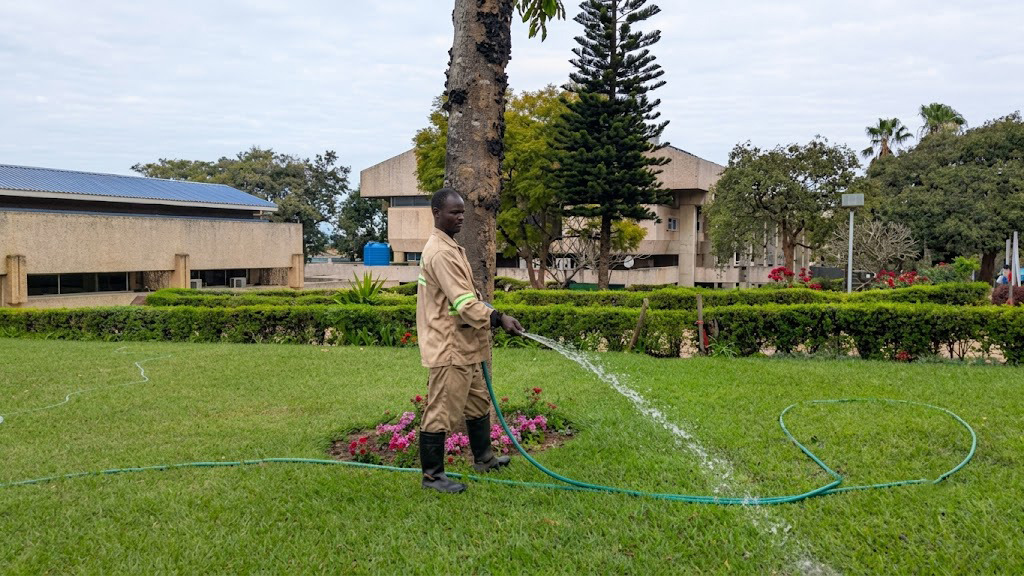
2. Efficient Irrigation Management
The second image shows campus grounds maintenance through controlled watering practices. MUBAS manages irrigation activities to maintain landscaped areas while avoiding unnecessary water consumption.
The University promotes responsible irrigation practices through:
- Targeted watering of landscaped zones
- Early morning watering practices to avoiding excessive irrigation
- Maintaining vegetation health through appropriate watering schedules
- Prioritizing efficient water application methods.
This demonstrates that irrigation is managed as a controlled resource rather than an unrestricted activity.
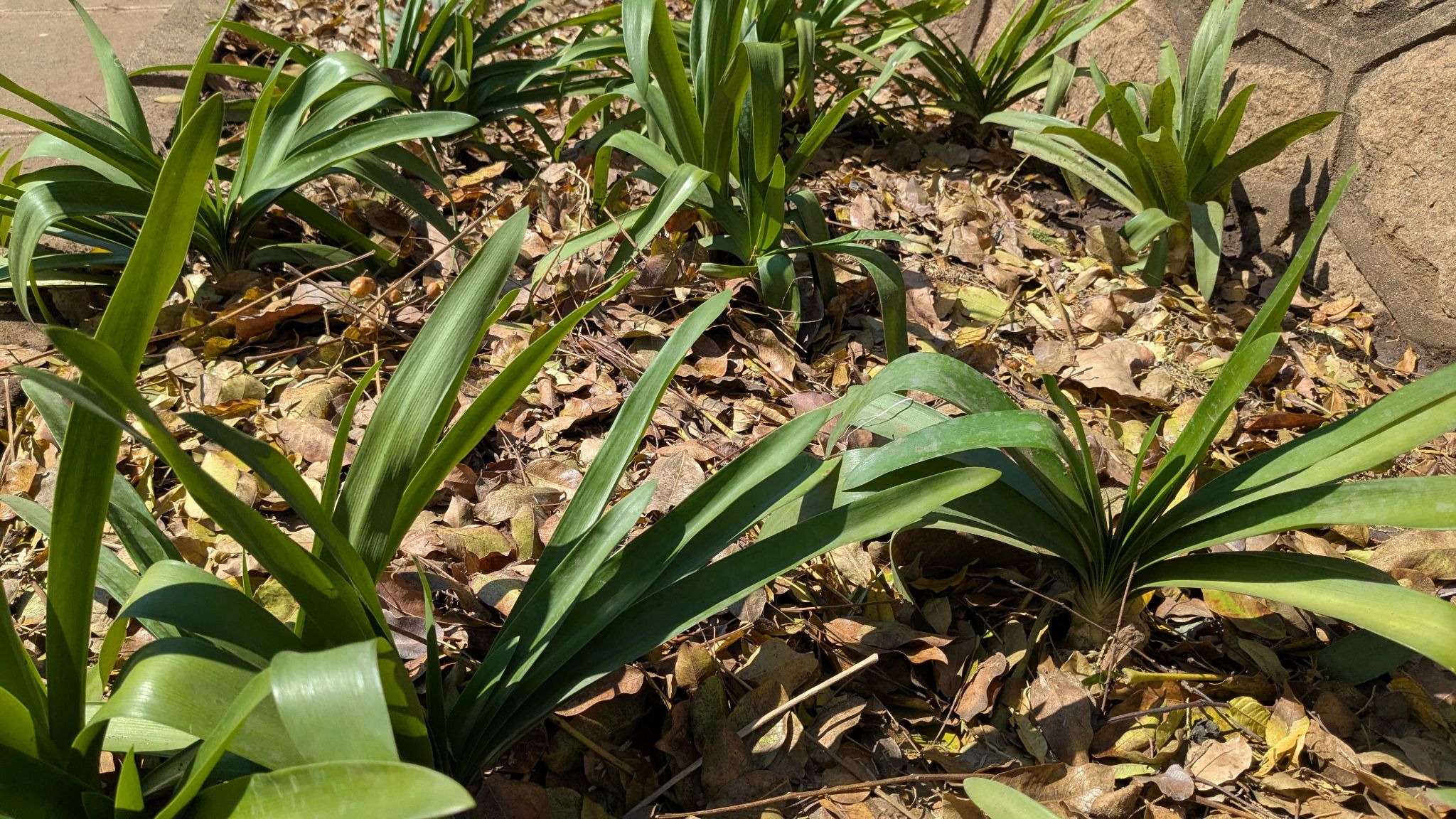
3. Mulching and Soil Moisture Conservation
The third image demonstrates landscaped areas incorporating organic materials around plants. Mulching is an important water conservation practice because it:
- reduces evaporation from the soil surface;
- maintains stable soil temperatures;
- improves moisture retention;
- reduces the frequency of irrigation.
Through soil-conscious landscaping practices, MUBAS enhances the ability of landscaped areas to retain naturally available moisture.
4. Water-Conscious Landscaping Through Green Walls
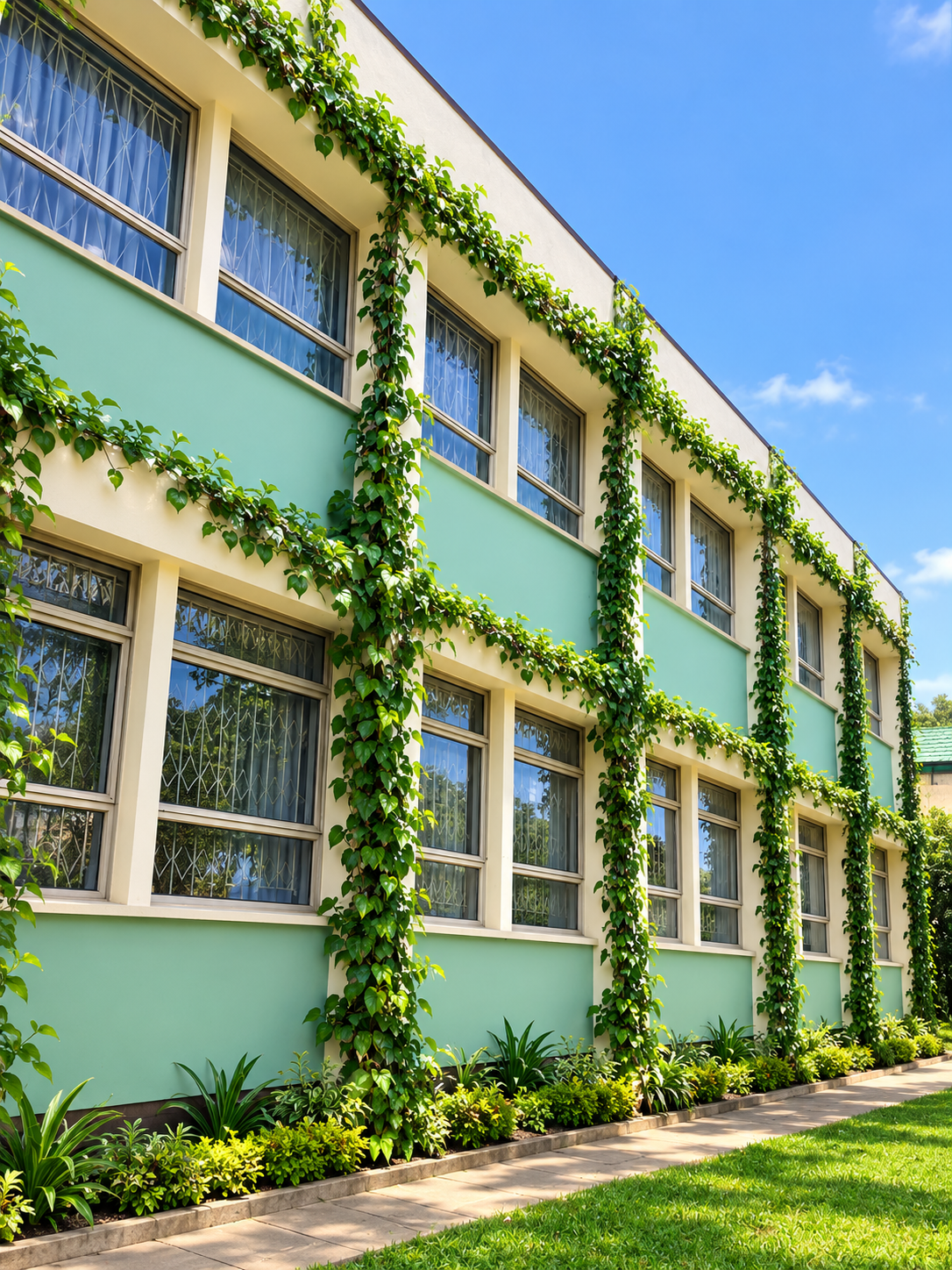
Wall-Climbing Plants Supporting Water-Conscious Landscaping
MUBAS incorporates green landscaping approaches that support water conservation while improving the campus environment. The use of climbing plants along building walls provides an example of how vegetation can be integrated vertically, making productive use of existing structures while reducing the need for extensive ground-level landscaping.
Wall-climbing vegetation contributes to a greener campus environment and can help provide natural shade and cover around buildings. By integrating plants into building spaces rather than relying solely on large areas of irrigated lawns, MUBAS promotes landscaping approaches that can help minimize water requirements while maintaining attractive and functional outdoor spaces.
This approach forms part of the University's broader commitment to responsible environmental management and sustainable campus development, demonstrating how thoughtful landscaping can contribute to water conservation and a greener campus.