
Promoting Conscious Water Conservation
Water-Efficient Infrastructure
One example of this commitment is the installation of sensor-operated urinals in campus washrooms. Unlike conventional manually flushed systems, these fixtures automatically regulate flushing based on usage, ensuring that water is used only when necessary. This significantly reduces unnecessary flushing and contributes to lower overall water consumption while maintaining hygiene standards.
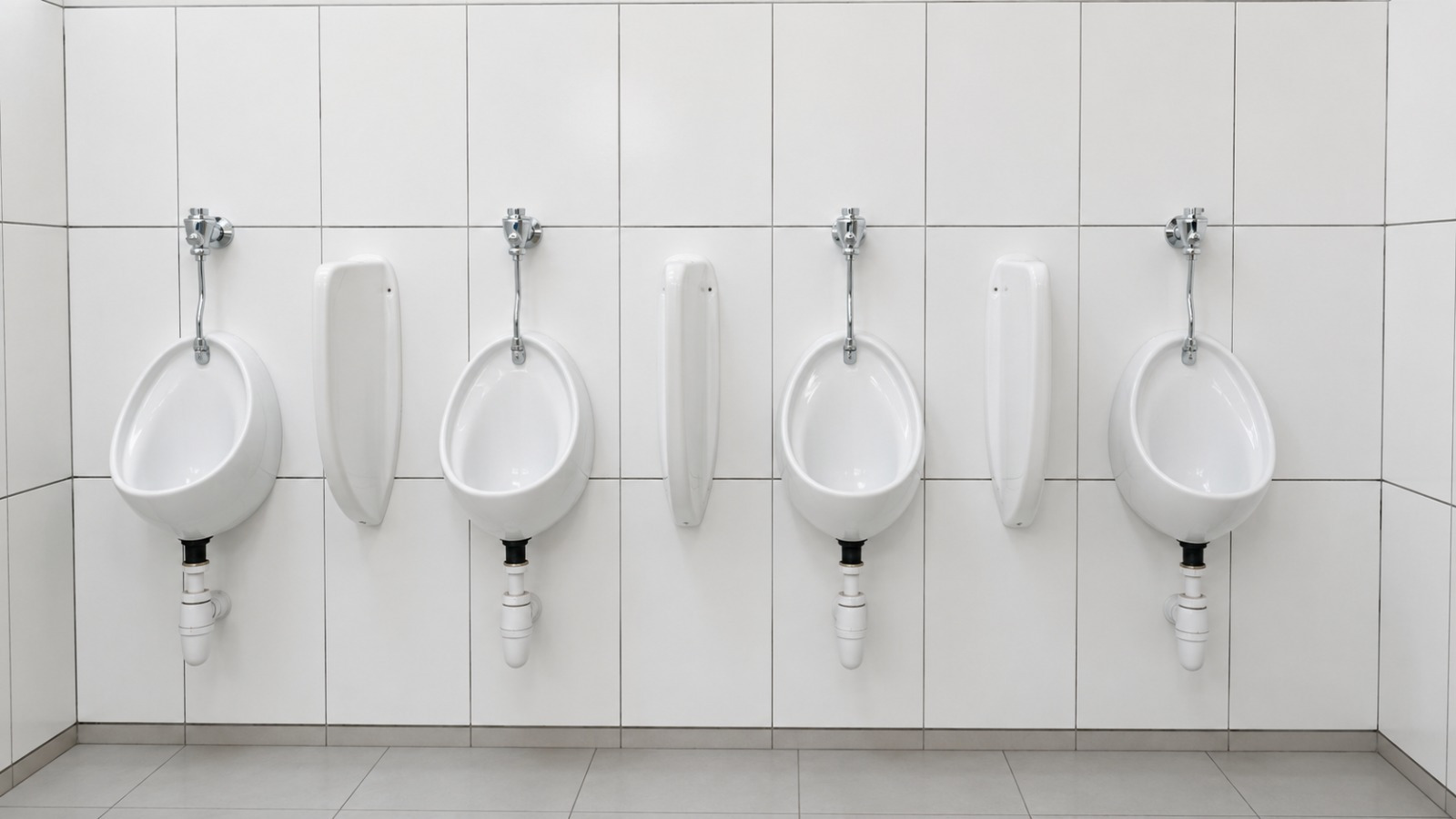
Flash urinals based on usage
In addition, the University has installed push-button self-closing taps across the campus facilities to promote conscious and responsible water usage. The taps are designed to release water only when pressed and automatically stop after a short period, reducing unnecessary water flow caused by taps being left running. This simple water-saving technology encourages users to use only the amount of water required while minimizing wastage, thereby supporting efficient and sustainable water management across campus facilities.
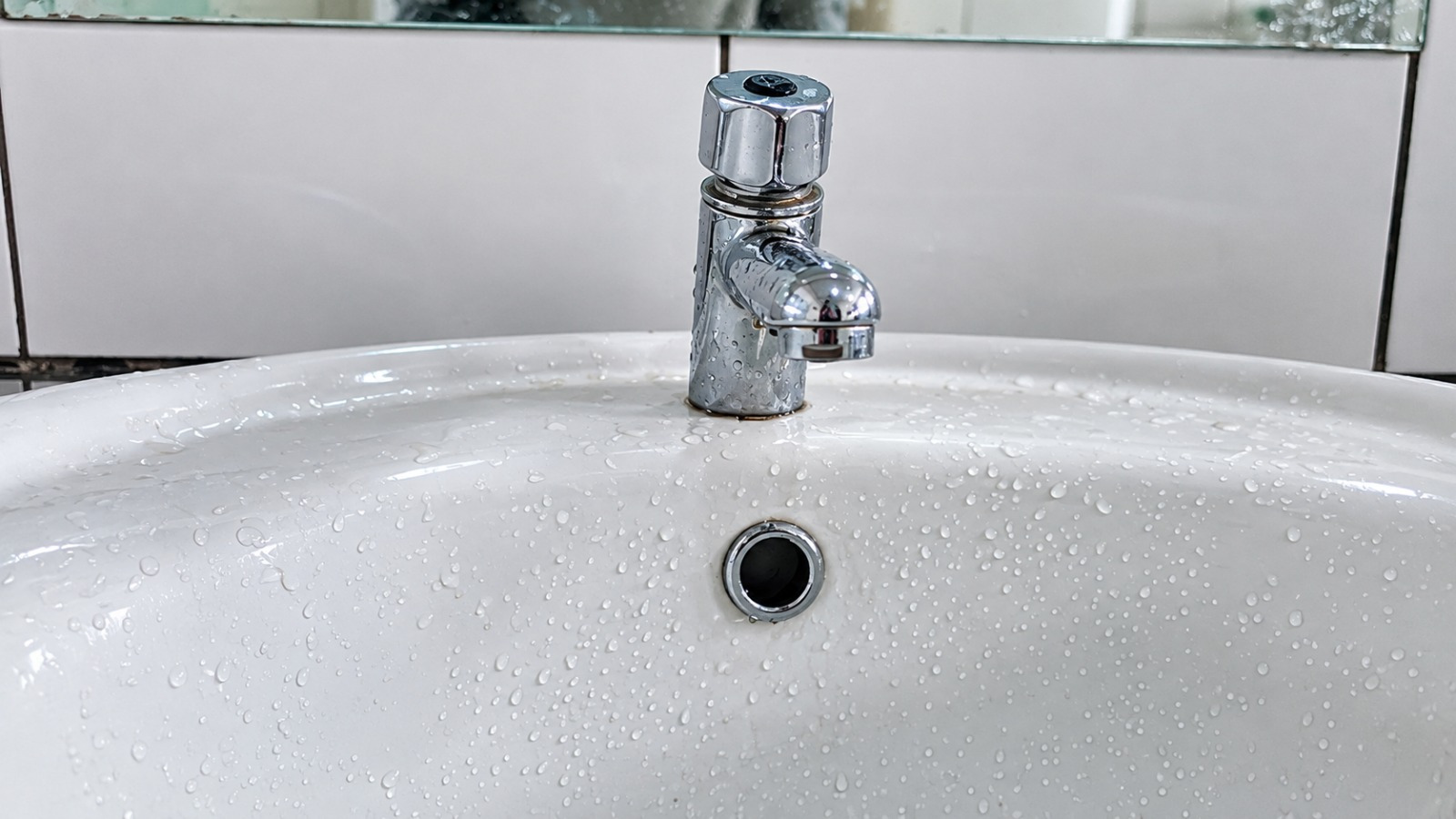
Push-button self-closing taps
These infrastructure investments are reinforced by the University's Water Conservation and Reuse Guidelines, which state that:
- Water-efficient fixtures and technologies shall be installed across campus to reduce water consumption and improve efficiency.
- Infrastructure shall be maintained to ensure prompt detection and repair of leaks, preventing unnecessary water losses.
- Rainwater harvesting and greywater recycling systems shall be implemented for non-potable applications such as irrigation and toilet flushing.
- Campus users are encouraged to engage responsibly with water infrastructure and report faults promptly.
Integrating sensor-operated sanitary fixtures, push-button self-closing taps, routine infrastructure maintenance, and water reuse technologies, MUBAS demonstrates a proactive institutional approach to promoting responsible water use. These measures complement behavioural change campaigns and monitoring initiatives outlined in the University's Water Conservation and Reuse Guidelines, contributing to reduced water demand and advancing the University's commitment to SDG 6: Clean Water and Sanitation.
Promoting conscious water usage activities

MUBAS Launches ‘Catch the Rain’ Campaign
The Malawi University of Business and Applied Sciences (MUBAS) actively promotes conscious water usage and sustainable water management in the wider community through the “Catch the Rain” campaign, launched under the SURG-Water project on 4 September 2025 at the MUBAS Main Campus in Blantyre. The campaign encourages water conservation, improving water availability and promoting sustainable water-management practices, while also supporting climate resilience. The initiative contributes to Sustainable Development Goal 6 (Clean Water and Sanitation) under SDG 13 (Climate Action), introduced amid severe drought conditions associated with the El Niño weather phenomenon, highlighting the importance of conserving water and strengthening community resilience to climate change.
The campaign raises public awareness of rainwater harvesting as a practical strategy for improving water security, supporting livelihoods and reducing the loss of valuable rainwater. Speaking at the launch, Augustin Masamba, Vice President of the Rainwater Harvesting Association of Malawi, emphasised that harvested rainwater can support agricultural activities, particularly drip irrigation, improve crop yields and reduce the time households spend fetching water. He also highlighted its potential to mitigate urban flooding by capturing runoff that would otherwise be lost during the rainy season.
MUBAS is extending these water-conservation efforts beyond public awareness into practical applications within the health sector. According to Associate Professor Steve Kumwenda, Head of the Public and Environmental Health Department at MUBAS, the initiative was already being implemented at six health facilities under the SURG-Water project, beginning with Thekerani Health Centre in Thyolo. The intervention prioritises reliable access to clean water, particularly for maternity wards where newborns require safe and hygienic conditions. The integration of solar-powered technologies further supports the use of harvested water for drinking, cooking and sanitation.
The campaign also encourages participation from local authorities, students and community members in promoting responsible water use. Blantyre City Mayor Jomo Osman commended the initiative, stressing the need for Malawi to improve its capacity to capture and store rainwater for domestic and agricultural purposes. MUBAS student Robert Mhone similarly called on fellow students to participate actively in initiatives that contribute to national development and promote sustainable water-management practices in their communities.
References & Evidence Sources
- [1] Catch the Rain