
Water-Conscious Building Standards
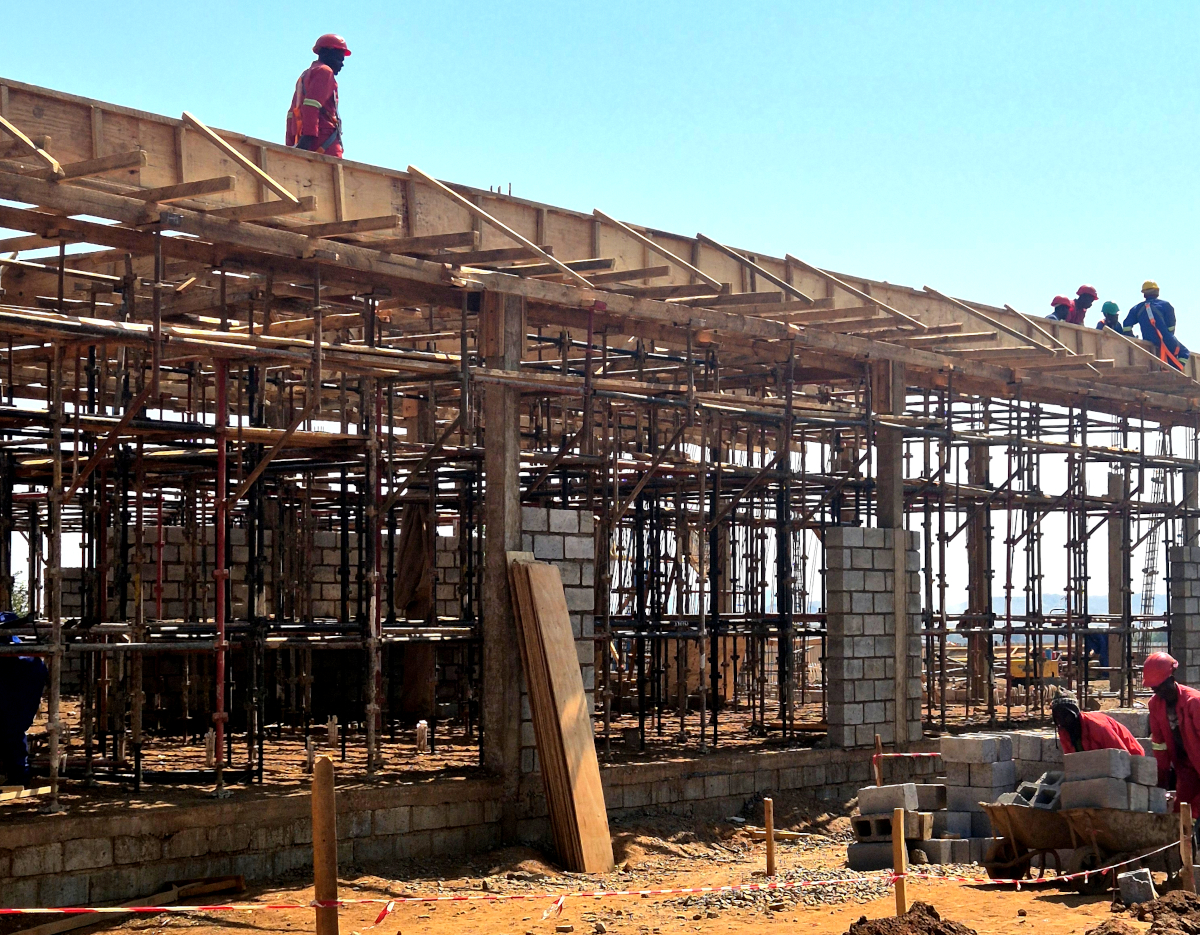 The policy applies across the University's functional areas, including academic buildings, research laboratories, administrative offices, student facilities, recreational areas and landscaped spaces. It therefore provides a university-wide basis for integrating water-efficiency considerations into both existing operations and future infrastructure development.
1. Institutional Standard for Water-Efficient Infrastructure
MUBAS' Water Conservation and Reuse Policy establishes water efficiency as a requirement for campus infrastructure development. Under its Infrastructure Development priority area, the University commits to enhancing infrastructure to support water-saving and water-reuse initiatives. This includes water-saving programmes, treatment facilities, distribution pipelines, storage systems and appropriate technologies that improve the efficiency, reliability and safety of water systems.
The policy requires that new infrastructure projects integrate water-reuse systems into their design. This establishes water conservation and reuse as considerations in infrastructure planning rather than treating them solely as operational activities.
The policy further requires the University to continuously assess wasteful water-supply technologies and practices and replace them with water-saving technologies and practices. This provides an institutional mechanism for progressively improving the water efficiency of buildings and associated infrastructure.
2. Water-Efficient Plumbing and Fixtures
MUBAS promotes the use of water-efficient fixtures and technologies as part of its water-saving approach. The University's SDG 6 evidence identifies low-flow faucets, showers and toilets among the water-conscious building measures implemented across its campuses. These fixtures reduce the volume of potable water used during routine activities while maintaining the functionality required for academic, administrative and residential facilities.
The University's water conservation framework also requires the installation of water-efficient fixtures and technologies across campus and calls for infrastructure to be maintained so that leaks can be detected and repaired promptly. Consequently, water efficiency is addressed both through the specification of water-saving fixtures and through maintenance practices intended to prevent avoidable water losses.
3. Rainwater Harvesting and Integration into Infrastructure
MUBAS integrates rainwater collection into its water-management infrastructure. Rainwater falling on university buildings and surface runoff are captured and channelled into storage infrastructure for subsequent non-potable use.
A MUBAS engineering project demonstrates the practical application of this approach. Rainwater harvested from buildings and surface water are channelled into a campus storage dam, where the water is treated and reused for landscape irrigation, cleaning and other appropriate non-potable applications. The system recycles more than 14,000 kilolitres of water per year, thereby reducing dependence on municipal water for activities that do not require potable water.
This provides direct evidence that water-conscious infrastructure is not limited to policy commitments but is also incorporated into the University's physical water-management systems.
4. Water Reuse as a Building and Infrastructure Requirement
The Water Conservation and Reuse Policy establishes the recovery and reuse of water as a core component of MUBAS' infrastructure approach. The policy provides for the collection, treatment and reuse of water for non-potable purposes, including:
- landscape irrigation;
- toilet and urinal flushing;
- HVAC systems;
- cleaning and wash-down activities;
- vehicle washing and outdoor surface maintenance; and
- other suitable applications identified through institutional assessment.
The policy also defines greywater, blackwater, reclaimed water, treated wastewater, non-potable reuse and rainwater harvesting, providing a technical framework for determining how different water sources can be managed and reused safely.
This is particularly relevant to the building-standard indicator because it establishes that infrastructure should be designed and operated to reduce reliance on freshwater where non-potable water can safely perform the required function.
5. Water-Efficient Landscaping Around Buildings
MUBAS incorporates water-conscious landscaping into its campus infrastructure approach. The University's SDG 6 evidence identifies drought-resistant landscaping and soil-moisture retention measures as components of its water-conscious building approach.
The Water Conservation and Reuse Policy further identifies landscape irrigation as an appropriate application for reused water. This creates an integrated system in which building-related water demand can be reduced through both efficient infrastructure and the substitution of non-potable water for suitable outdoor uses.
MUBAS also promotes landscaping approaches using plants that require comparatively less water, reducing the irrigation demand associated with maintaining green campus spaces.
6. Water Storage and Controlled Distribution
MUBAS's water infrastructure incorporates storage and controlled distribution systems to improve the management of available water resources. Water supplied through the Blantyre Water Board is managed through storage infrastructure and pumping systems, while harvested water is retained in campus storage facilities for subsequent non-potable applications.
The University's water-reuse project is managed by MUBAS engineers and includes a treatment and monitoring facility that enables the institution to measure and track water being reused. This provides an operational mechanism for managing water resources and evaluating the effectiveness of water-reuse infrastructure.
7. Leak Prevention and Infrastructure Maintenance
Water efficiency at MUBAS also includes the maintenance of water infrastructure. The University's Water Conservation and Reuse Guidelines require infrastructure to be maintained to facilitate the prompt detection and repair of leaks. This is significant because water losses from leaking pipes, fixtures and distribution systems can substantially increase consumption even where efficient fixtures are installed.
Accordingly, MUBAS's approach combines water-efficient building components with maintenance and monitoring measures designed to prevent unnecessary losses.
8. Monitoring and Continuous Improvement
MUBAS's Water Conservation and Reuse Policy establishes monitoring and evaluation as part of the University's water-management framework. The policy requires mechanisms for tracking water usage, efficiency and compliance, with periodic evaluation under the overall accountability of University management.
MUBAS also reports that it monitors total water consumption across its campuses and uses consumption data to identify patterns of overuse or leakage and inform water-saving strategies.
The engineering water-reuse project similarly includes a monitoring component through which the amount of reused water can be measured. The reported reuse of more than 14,000 kilolitres annually provides a measurable indicator of the contribution of water-recovery infrastructure to reducing demand for externally supplied water.
9. Integration of Water Efficiency into New Infrastructure
The strongest institutional evidence is contained in the Water Conservation and Reuse Policy (September 2025), which requires water-saving and water-reuse considerations to be incorporated into infrastructure development. The policy states that all new infrastructure projects should integrate water-reuse systems into their design.
This means that MUBAS's approach extends beyond individual water-saving devices and encompasses the planning and development of the University's built environment. Water conservation is therefore considered through the design of infrastructure, water distribution, storage, treatment, reuse and landscaping.
10. Education, Research and Innovation
MUBAS links its building and infrastructure approach to its academic and research mandate. The Water Conservation and Reuse Policy requires the University to promote interdisciplinary research and innovation relating to water conservation technologies, treatment methods and sustainable water-management practices relevant to Malawi.
The University's water-reuse project also functions as a practical learning environment for engineering students, enabling them to engage with real-world water treatment, harvesting, monitoring and reuse technologies.
This strengthens the University's institutional approach by connecting water-conscious infrastructure with research, innovation and technical capacity development.