
Wastewater Treatment and Management at MUBAS
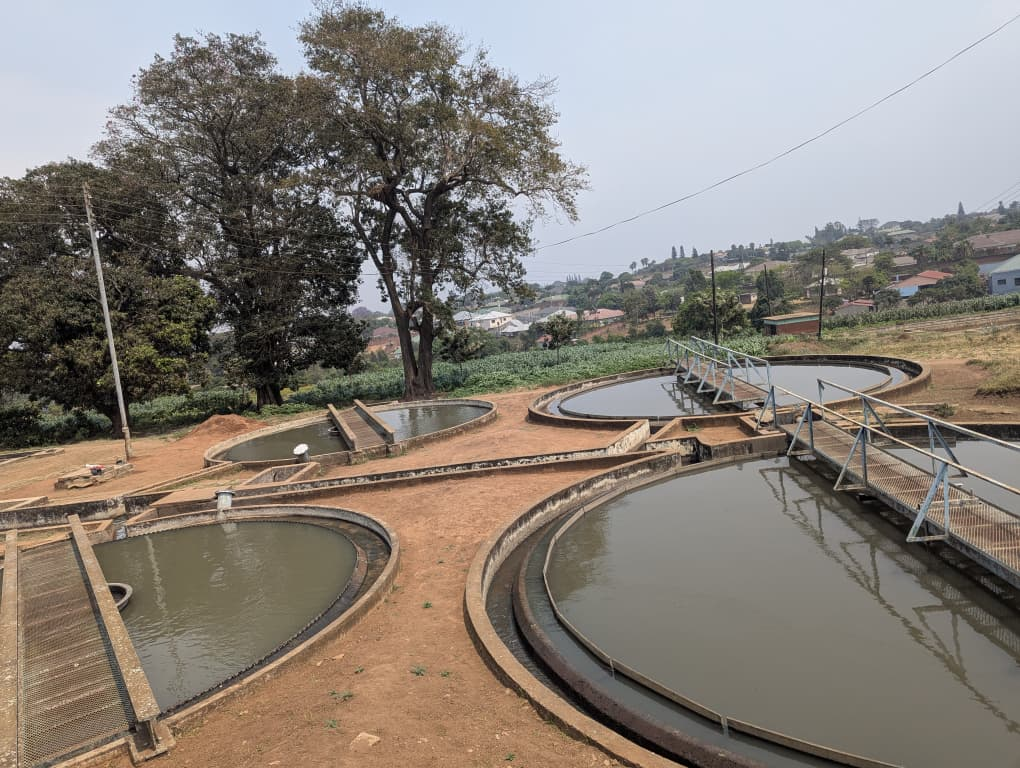
Oxidation pond at Soche wastewater treatment plant
The Malawi University of Business and Applied Sciences (MUBAS) is committed to ensuring that wastewater generated across its campus is managed responsibly, in accordance with Malawi’s national sanitation, water-quality and environmental requirements. The University’s wastewater management approach supports public health, protects surrounding water resources and contributes to Sustainable Development Goal 6 (Clean Water and Sanitation).
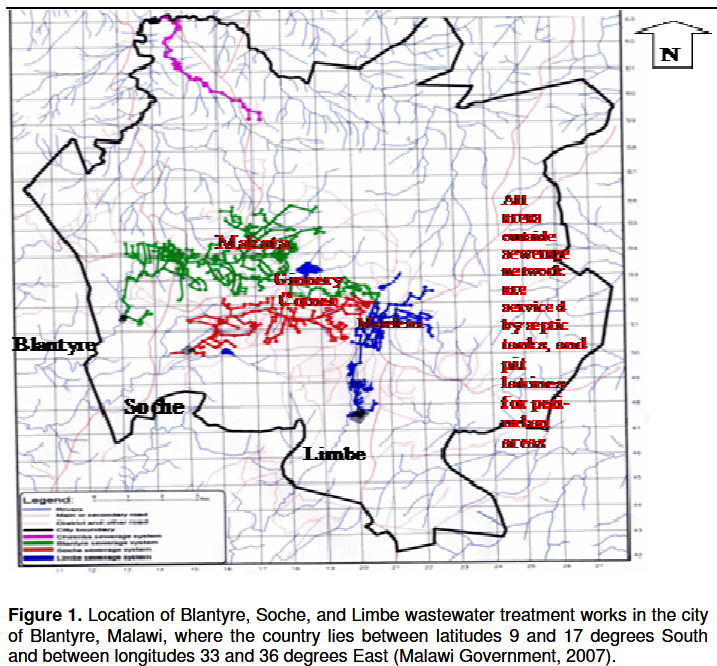
The majority of wastewater treatment and disposal associated with MUBAS is managed through the water and sanitation systems supported by the Blantyre Water Board, the University’s principal water-services partner. The Blantyre Water Board provides treated water to the University and supports the appropriate collection, treatment and disposal of wastewater through established infrastructures which includes, Blantyre, Soche, and Limbe wastewater treatment works. This arrangement helps ensure that wastewater is managed through regulated systems rather than being discharged untreated into the environment. The wastewater is then conveyed to the city’s wastewater treatment plant, where it undergoes a thorough purification process. The treatment system utilizes a combination of Trickling Filters and Oxidation Ponds; technologies designed to remove contaminants and improve water quality through biological and natural purification processes.
MUBAS’ wastewater management processes are guided by Malawi’s National Sanitation Policy, which promotes adequate wastewater disposal facilities at points of wastewater generation and appropriate treatment and disposal facilities linked to piped water supplies. The University also operates within the principles of the National Water Policy, which promotes the availability, sustainable use and protection of water of acceptable quality. National effluent standards further provide a framework for controlling wastewater discharges and reducing risks to human health and the environment.
Within the University estate, wastewater generated from teaching, learning, research, administrative, residential and other campus activities is collected and managed through appropriate drainage and sanitation infrastructure. Where wastewater may present a risk of contamination, responsible handling and disposal procedures are required to prevent harmful substances from entering watercourses or the wider environment. These arrangements support the safe management of wastewater before, during and after its transfer to the relevant treatment and disposal systems.
MUBAS also promotes more sustainable water management through the responsible management of rainwater and surface-water drainage. Rainwater and runoff are managed through campus drainage systems to reduce flooding, erosion and the uncontrolled movement of pollutants. Opportunities for rainwater harvesting, reuse and other water-efficiency measures further reduce demand for treated water and limit the volume of wastewater requiring treatment.
Institutional oversight, collaboration with the Blantyre Water Board and compliance with national sanitation and water-quality requirements provide assurance that wastewater is managed responsibly. These measures help MUBAS to minimise environmental impacts, protect surrounding water resources, reduce the risks associated with untreated wastewater and promote sustainable sanitation practices across the campus.
MUBAS therefore has established procedures and institutional arrangements for the collection, management, treatment and disposal of wastewater. Its approach is supported by the Blantyre Water Board, guided by Malawi’s national sanitation and water policies, and aligned with national effluent-management requirements. Through these measures, the University contributes to SDG 6, particularly the improvement of water quality, the reduction of untreated wastewater discharges and the promotion of sustainable water and sanitation management.